


For many years, measles was rare in the United States. But vaccination rates have dropped in some communities, which can make it easier for outbreaks to happen.
That’s why health experts continue to emphasize awareness and prevention. Measles is one of the most contagious viruses in the world and can lead to serious complications. “The good news is that vaccination provides strong, long-lasting protection,” says Laura Morris, MD, a family medicine doctor at MU Health Care.
1. Measles Is One of the Most Contagious Viruses in the World
Measles is a virus that spreads through the air when an infected person coughs, sneezes or talks. The virus can linger in the air or on surfaces for up to two hours after a person with measles leaves the area. That means someone could enter the same room later and still be exposed.
People can also spread measles before they realize they’re sick. Someone with measles is contagious about five days before the rash appears and four days after. Health experts take measles seriously because it spreads so easily. Up to 9 out of 10 unvaccinated people who are exposed to the virus will become infected.
While many people recover, Dr. Morris stresses that measles isn’t just a rash: “It can cause serious complications, especially in infants and people with weakened immune systems.”
These complications include:
- Pneumonia
- Brain inflammation (encephalitis)
- Hearing loss
- Long-term weakening of the immune system
2. Measles Symptoms Often Start Like a Cold
Measles symptoms usually appear 7 to 14 days after exposure. Early symptoms often feel like a bad cold or flu, including:
- Fever
- Cough
- Runny nose
- Red or watery eyes
- Sore throat
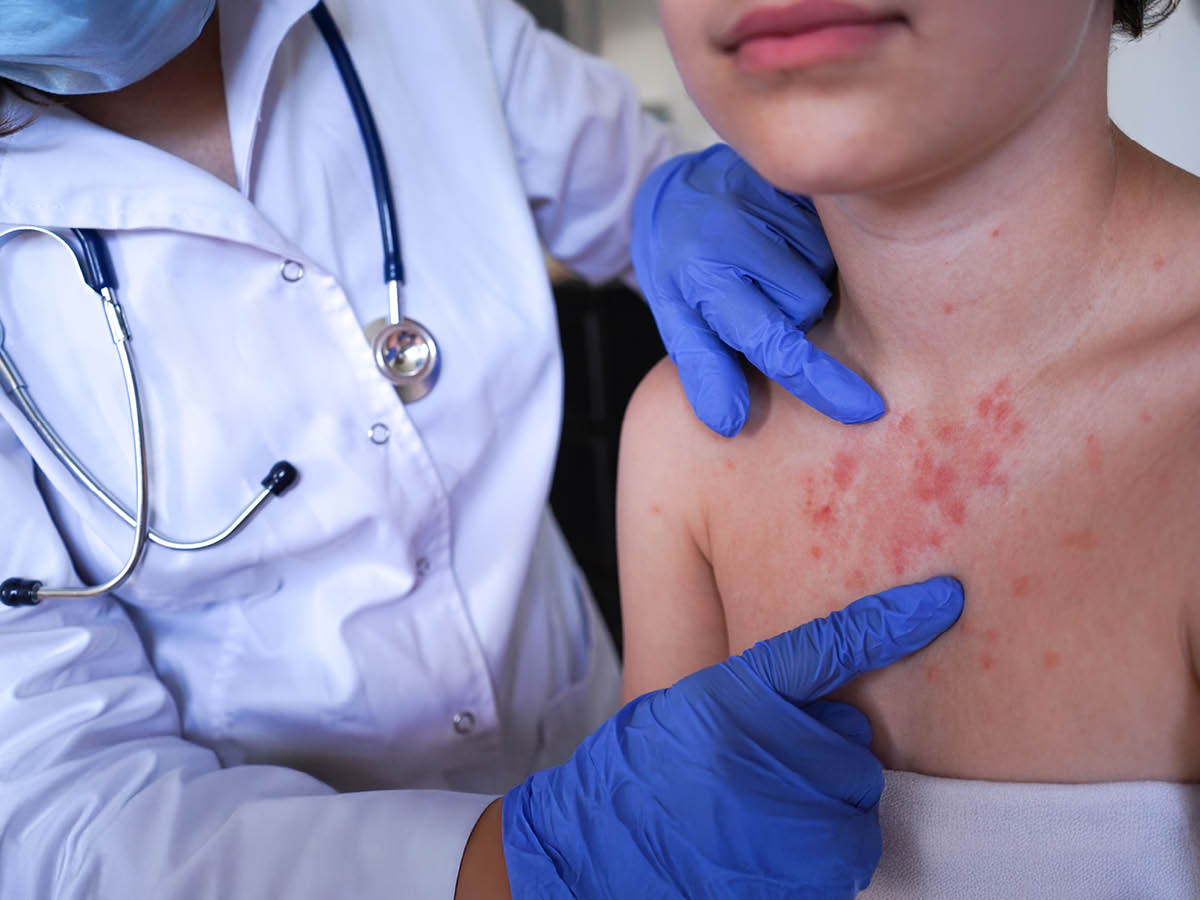
After a few days, other signs may appear. These include small white spots inside the mouth called Koplik spots. A red or reddish-brown rash then develops. It usually begins near the hairline and spreads down the face and body. Fever may rise during this stage and can reach 104°F or higher.
“It often starts like a bad cold,” Dr. Morris says, “but if you see a combination of fever, cough and a spreading rash, you should call your doctor.”
3. Call Ahead Before Seeking Care
If you think you or your child may have measles, do not walk into a clinic, urgent care or emergency department without calling first.
Measles spreads easily in waiting rooms and other shared spaces. Calling ahead allows health care teams to take steps to protect other patients.
Staff may prepare a separate entrance or room so the virus does not spread to people who may be vulnerable, including babies or people with weakened immune systems.
4. Most Adults Are Already Protected
This is one of the most common questions people are asking right now. The good news is that most adults are already protected.
You are likely protected if you:
- Received two doses of the MMR vaccine (measles, mumps and rubella)
- Were born before 1957, when most people were exposed to measles during childhood and developed natural immunity
Some adults may benefit from another dose. This may include people who:
- Were vaccinated before 1968, when an earlier version of the vaccine was used
- Are unsure about their vaccination history
- Work in health care or travel internationally
Two doses of the MMR vaccine provide about 97% lifetime protection against measles.
“Most adults who received two doses of the MMR vaccine are protected for life. If you’re unsure about your vaccination history, your doctor can help you decide whether another dose makes sense,” said Dr. Morris.
5. Vaccination Protects Children and the Community
Children usually receive the MMR vaccine in two doses:
- First dose: 12-15 months
- Second dose: 4-6 years
In some situations, such as during an outbreak or after a known exposure, infants as young as 6 months may receive the vaccine. Parents should talk with their pediatrician if they have concerns about exposure.
Vaccination protects more than just your child. It also helps protect babies who are too young to be vaccinated and people with health conditions that weaken their immune system.
Preventing outbreaks depends on strong community vaccination rates. Health experts say about 95% of people need to be vaccinated to stop measles from spreading widely.
“Missouri’s current vaccination rate is around 90%,” says Dr. Morris, “which is below that threshold.”
When vaccination rates drop, measles can spread more easily through communities.
6. There Is No Treatment for Measles
Many people are surprised to learn that there is no antiviral medication that treats measles.
“Unlike illnesses like the flu or COVID-19, there isn’t a medication that can stop measles once you have it,” said Dr. Morris.
Care focuses on supportive measures, such as:
- Drinking fluids
- Controlling fever
- Rest
- Monitoring for complications
Because of this, vaccination remains the most reliable way to prevent measles.
7. Prevention Matters Most
The best protection against measles is vaccination and awareness.
You can help protect yourself and others by:
- Checking your vaccination records
- Making sure children receive their recommended MMR doses
- Calling your doctor if you think you may have been exposed
- Staying home if you are sick
Measles is still rare in the United States, but outbreaks can occur when vaccination rates fall. Staying informed and keeping vaccinations up to date can help protect your family and your community.
“The best protection against measles is making sure you and your children are vaccinated,” says Dr. Morris.