Sarcomas are rare cancers that develop in bones or soft tissues, such as ligaments, muscles, tendons and blood vessels. Because they are uncommon, diagnosis and treatment require specialized expertise.
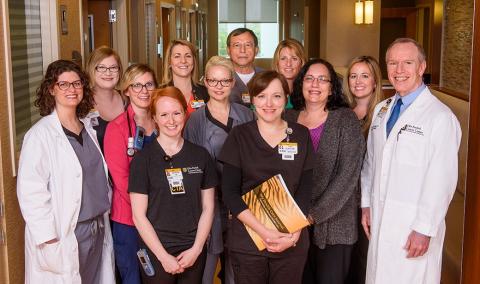
At MU Health Care, you or your child can receive sarcoma treatment from one of the most experienced cancer care teams in Missouri. We bring together experts from multiple specialties to plan your care, from diagnosis and surgery through expert rehabilitation and long-term follow-up. Whenever possible, we use limb-sparing approaches that remove the cancer while preserving your mobility and function.
Sarcoma Symptoms and Risk Factors
While sarcomas do not always cause symptoms, the most common sign is an unexplained lump or bump. Most lumps are not cancer. However, you should talk with your doctor about a lump that is growing, painful, deep beneath the skin or otherwise concerning.
Other signs of bone cancer and other sarcomas include:
- Bone pain
- Joint swelling
- Unintentional weight loss
- Change in bowel habits
- Difficulty eating, or a “full” feeling in the belly
- Fractures from minor injuries
- Difficulty moving a limb or body part
If you have symptoms that concern you, contact your primary care provider for a referral to our experts.
Many sarcomas develop randomly, but your risk may be greater if you have genetic conditions such as:
- Neurofibromatosis
- Gardner syndrome
- Li-Fraumeni syndrome
Second Opinions for Bone Cancers
If you or your child has been diagnosed with cancer of the bone or soft tissue, we’re here for you. We help pediatric and adult patients from across Missouri, including those with advanced sarcomas, better understand their treatment options. You may contact our team directly to schedule an appointment.
Types of Sarcomas
Our team treats all types of sarcomas, including bone cancers that have spread from other areas of the body (metastatic cancer).
We treat the following common and rare sarcomas:
- Angiosarcoma (soft tissue)
- Chondrosarcoma (cartilage)
- Ewing sarcoma (bone or soft tissue)
- Fibrosarcoma (connective tissue)
- Gastrointestinal stromal tumor (stomach or intestine)
- Leiomyosarcoma (muscle)
- Liposarcoma (fat)
- Malignant peripheral nerve sheath tumors (soft tissue)
- Osteosarcoma (bone)
- Rhabdomyosarcoma (muscle)
- Solitary fibrous tumor (soft tissue)
- Synovial sarcoma (joints)
- Undifferentiated pleomorphic sarcoma (soft tissue)
Because sarcomas can sometimes be challenging to diagnose and treat, it’s important to see an experienced team.
How We Diagnose Bone and Soft Tissue Cancers
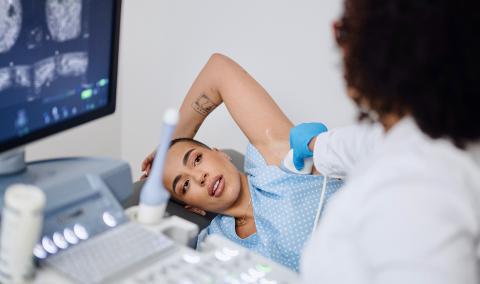
We offer advanced testing to diagnose and stage sarcomas, including:
- X-ray: Provides 2D images of your bones.
- Computed tomography (CT): Creates 3D images of your bone and soft tissue.
- Magnetic resonance imaging (MRI): Helps your care team see inside your bones — where many sarcomas start — as well as other soft tissues.
- Positron emission tomography (PET): Can help doctors determine if cancer has spread to other parts of your body.
- Bone biopsy: Involves making a small incision or inserting a needle to remove and examine tissue from the tumor.
- Percutaneous image-guided needle biopsy: Uses advanced imaging and a special needle to take tissue from deeper tumors.
Whenever possible, we’ll coordinate your tests on the same day, so you can minimize travel time. Based on your test results, we’ll design a personalized treatment plan that fits your needs and preferences.