Our interventional psychiatry team offers advanced therapies designed for people living with treatment-resistant depression and other mental health conditions. From outpatient procedures to surgically implanted devices, we provide innovative approaches that may help when traditional treatments alone haven’t worked.

Interventional psychiatrists provide advanced treatments beyond traditional therapy and medication. They treat behavioral health conditions such as depression, anxiety, bipolar disorder and obsessive-compulsive disorder (OCD).

If medication hasn’t brought the relief you need, these innovative treatments may help. MU Health Care offers more interventional psychiatry options than any other center in the region.

Our Approach to Interventional Psychiatry

Behavioral health issues affect each person differently, which is why we take a personalized approach to treating your symptoms. 

At MU Health Care, our team may recommend interventional psychiatry treatments as part of your overall treatment plan. For example, we may suggest these novel treatments along with other approaches, such as talk therapy (psychotherapy) or medications.

Before we suggest any treatment, you’ll meet with a psychiatrist for a thorough mental health evaluation. We’ll also explain the benefits and side effects of each treatment, so you can decide what’s right for you.

Am I a Candidate for Interventional Psychiatry Treatments?

You may be eligible if you’re an adult with severe or treatment-resistant mental health symptoms. If your current treatment plan is not improving your mental health symptoms enough, contact your primary care provider for a referral. Our psychiatrists also provide second opinions for treatment-resistant depression and other mood disorders.

Conditions We Treat

  • Anxiety
  • Bipolar disorder
  • Catatonia (lack of responsiveness)
  • Depression
  • Insomnia
  • Obsessive-compulsive disorder (OCD)
  • Schizophrenia

Interventional Psychiatry Treatments

We offer innovative FDA-approved therapies, including many that are covered by most insurance plans.

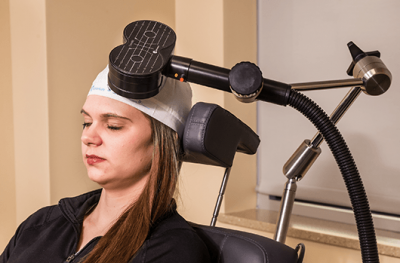
Transcranial Magnetic Stimulation (TMS)

TMS is a noninvasive, outpatient procedure for adults with depression that has not improved with medication. During this treatment, a psychiatrist will use magnetic pulses to stimulate the part of your brain that controls mood. Unlike electroconvulsive therapy, it does not require anesthesia.

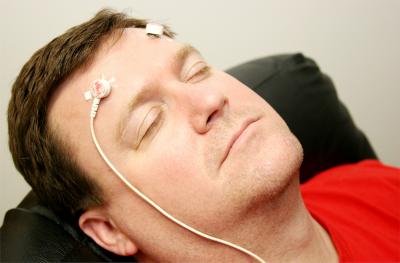
Electroconvulsive Therapy (ECT)

ECT is a fast and effective treatment for severe depression, bipolar disorder, catatonia and schizophrenia. While you’re under general anesthesia, a small amount of electricity is sent through your brain. The electricity alters your brain chemistry to help reduce your symptoms.


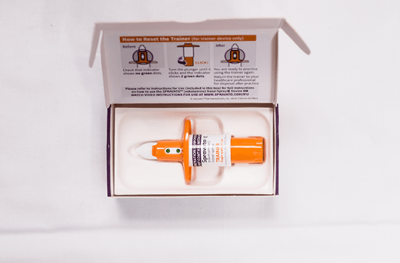
Esketamine Nasal Spray

Esketamine is a prescription nasal spray for treatment-resistant depression. You’ll receive the spray in our South Providence Psychiatry clinic. We’ll keep you at the clinic for two hours to monitor you for side effects.

Most patients have two treatments weekly for the first month and then one treatment weekly for the next three weeks. Your doctor may adjust your plan depending on how you respond to treatment.

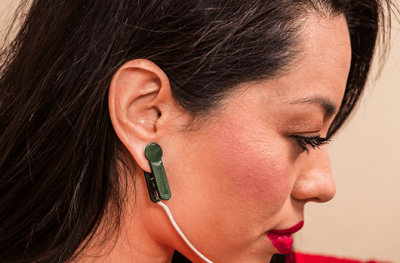
Cranial Electrotherapy Stimulation (CES)

CES is a non-invasive, painless, outpatient treatment for anxiety and insomnia. During CES, your brain will receive a small amount of electricity through clips on your earlobes.

Light Therapy

If you have seasonal affective disorder (SAD) in the fall or winter, you may benefit from light therapy. This noninvasive, outpatient treatment uses a light box that mimics sunlight to reduce SAD symptoms.

Deep Brain Stimulation (DBS)

In addition to offering DBS for movement disorders, MU Health Care provides this treatment for severe, chronic OCD. During surgery, a neurosurgeon places a small electrode in your brain. The electrode, which is controlled by a wireless device, sends electricity to your brain to reduce OCD symptoms.

If you do not see improvement with DBS, your neurosurgeon can remove the electrode.

Vagus Nerve Stimulation (VNS)

VNS may help reduce symptoms of treatment-resistant depression. During surgery, a neurosurgeon places a small device under the skin in your chest. The device delivers a small amount of electricity through a wire to the left vagus nerve in your neck.

Our team can adjust the current using a wireless device in our clinic.

What to Expect After Treatment

Following any of these treatments, you’ll meet with your psychiatrist to measure your symptoms and track any improvements. We’ll also check for potential side effects and answer any questions you may have about your care. We may also adjust your medications or other treatments, based on your response to interventional therapy.

Your psychiatrist will also keep your primary care provider informed about your progress during treatment.