The liver plays a vital role in keeping your body healthy, from filtering toxins to supporting digestion. When liver disease develops, early diagnosis and specialized care can help slow progression and protect your overall health.
Liver disease isn’t always obvious. In many cases, it develops quietly and is first detected through routine blood work rather than noticeable symptoms.
At MU Health Care, we begin with a thorough evaluation to identify the specific type of liver disease and understand how it may be affecting your overall health. Our hepatology specialists and team then work closely with you to develop a personalized care plan.
Treatment may include lifestyle guidance, medication and condition-specific management, all designed to support your long-term health and well-being.
Liver Disease Symptoms
If you have liver disease, you may have no noticeable symptoms at first. Changes often appear after the condition has progressed.
Possible signs of more advanced liver disease include:
- Weakness or fatigue
- Loss of appetite or weight loss
- Jaundice, which causes yellowing of the skin or eyes
- Swelling in the abdomen (ascites) or legs
- Itching
- Confusion or drowsiness
- Vomiting blood or black stool
Types of Liver Diseases
Our team cares for a wide range of liver conditions, including:
- Drug-induced liver toxicity
- Fatty liver disease, including alcohol-related and nonalcoholic forms
- Liver tumors and liver cancer
- Primary biliary disease and other autoimmune liver conditions
- Viral hepatitis, including hepatitis B and hepatitis C
Every liver condition requires a disease-specific approach. Our hepatologists have advanced training to manage both common and complex liver diseases and disorders.
Liver Disease Diagnosis at MU Health Care
We take time to understand your health history, current condition and concerns at your first visit. Our goal is to identify the exact cause of your liver disease and determine the best next steps for your exact needs.
We use the following tools to diagnose liver disease:
- Blood tests to evaluate liver enzymes and function
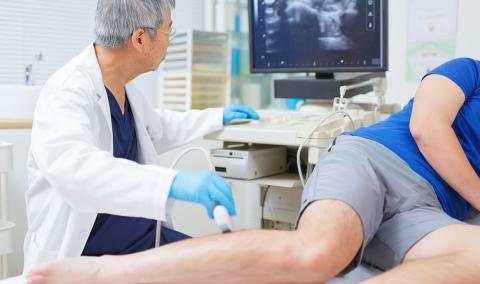
- Imaging studies, including ultrasound, MRI, CT and FibroScan
- Ultrasound-guided liver biopsy when needed
This detailed approach allows us to create a precise diagnosis and a clear plan for care.