What to Expect From Becoming a Living Kidney Donor
To help you make this important decision, we’ll walk you through every step:
- Getting started: The process begins when you let us know you’re interested in donating a kidney. You’ll complete a full evaluation, including medical tests and a psychological assessment, to make sure donation is safe and right for you.
- If you’re approved: You’ll be matched with a recipient and start preparing for surgery. Your transplant coordinator will support you through scheduling, logistics and what to expect.
- Staying healthy: Leading up to surgery, your overall health matters. Our team, which includes a registered dietitian, will provide nutrition and lifestyle tips to help you feel your best.
- Surgery and recovery: At MU Health Care, our experts typically perform donor surgery with advanced robotic techniques. This allows faster healing and fewer complications. Most donors go home less than three days after surgery. You can usually drive again in two weeks and return to your regular routine within four to six weeks.
- After donation: We’ll continue to check in on your recovery and overall well-being, and you’ll have access to ongoing support throughout your life.
- Costs and coverage: The recipient’s insurance typically covers your medical testing and surgery. You won’t pay for your care, but you may incur expenses related to time off work or travel. Some donors qualify for financial assistance through programs like the Missouri Kidney Program.
Why Choose MU Health Care for Living Kidney Donor Program
- A program built around you: Our Living Kidney Donor Program is designed with your safety, comfort and peace of mind in focus — from evaluation through recovery.
- Thorough screening for your protection: Before you donate, you’ll go through a complete medical and psychological evaluation to make sure donation is the right choice for you.
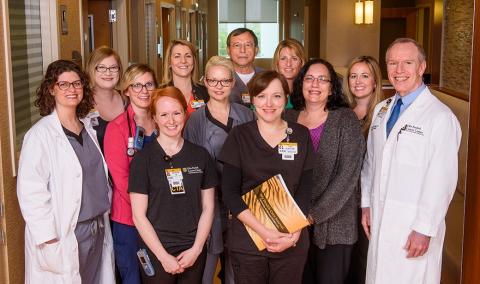
- Dedicated donor team: You’ll have a coordinator, advocate and care team to answer questions, provide guidance and support your well-being.
- Trusted experience: Our team has completed more than 1,000 kidney transplants since 1972. We bring decades of expertise and research-backed methods to every donor experience.