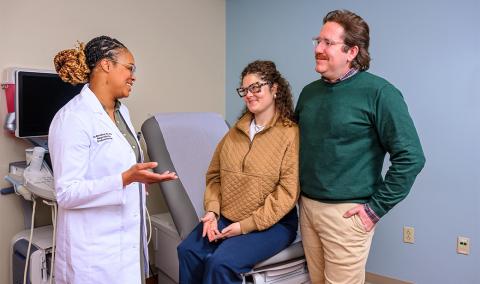
Adenomyosis can cause heavy periods and pain, but you don’t have to struggle with it every month. MU Health Care offers expert care to help you take back control and feel better.
If you struggle with adenomyosis, you know it’s more than just heavy periods and pain. It can pull you away from the things you love.
Adenomyosis happens when the uterine lining grows into the muscle wall, leading to pain, heavy bleeding during menstrual cycles and an enlarged uterus.
Experts aren’t exactly sure why this happens, but hormones, childbirth or past uterine surgery may play a role. It’s most common in women between 40 and 50, but younger women can have it too. Symptoms usually improve after menopause.
At MU Health Care, we focus on what matters most to you. Whether you're looking for symptom relief or have future fertility goals in mind, we’re here to help. Together, we’ll find the right treatment so you can feel like yourself again.
What Does Adenomyosis Feel Like?
Adenomyosis affects everyone differently. You may not have any symptoms, or you might experience:
- Heavy or long periods
- Severe menstrual cramps (dysmenorrhea)
- Chronic pelvic pain, even when you're not on your period
- Enlarged uterus making your abdomen feel swollen or tender
- Pain during sex
Causes of Adenomyosis
The exact cause of adenomyosis isn’t fully understood, but experts have a few theories on what might lead to it, including:
- Tissue growing where it shouldn’t: Endometrial cells may push into the uterine muscle due to a weakened natural barrier.
- Present from birth: Some endometrial tissue might get trapped in the uterine muscle before birth and activate later.
- Inflammation after childbirth: Postpartum inflammation may allow endometrial cells to move deeper into the uterine wall.
- Past surgeries: C-sections, fibroid removal or dilation and curettage (D&C) could create pathways for endometrial cells to grow into the muscle.
- Hormones: Estrogen may drive adenomyosis, which is why symptoms often improve after menopause.
- Possible genetic link: Adenomyosis sometimes runs in families.
While the causes of adenomyosis aren’t clear, understanding these possibilities helps us find the best way to manage your symptoms.
How We Diagnose Adenomyosis
Diagnosing adenomyosis can be tricky since its symptoms often mimic fibroids or endometriosis, but our experts can help you get answers.
As part of an academic health system, our specialists use the latest research and advanced diagnostic tools to pinpoint the cause of your symptoms and create a personalized treatment plan.
Depending on your symptoms, we may recommend:
- A pelvic exam: This lets us check the size and shape of your uterus.
- Ultrasound: This simple imaging test allows us to get a closer look at your pelvic organs.
- MRI: This detailed scan can better tell adenomyosis apart from other conditions.
- Endometrial biopsy: While it can’t confirm adenomyosis, this helps rule out other possible causes.
Can Adenomyosis Cause Anemia?
Adenomyosis can lead to heavy bleeding, which may cause chronic anemia. This extra blood loss can leave you tired, weak or short of breath. As part of your diagnosis, we’ll check for anemia and make sure you’re getting the care you need.
How We Treat Adenomyosis
At MU Health Care, we’re here to support you with care that fits your life. Your treatment plan depends on your symptoms, age and fertility goals. We can help you plan properly because untreated adenomyosis can affect your ability to have children or even lead to miscarriage.
Our team works with specialists to find the best treatment for you, whether that means nonsurgical options or advanced surgical care.
Nonsurgical Treatments for Adenomyosis
Once we understand your condition and goals, we may explore nonsurgical options first. Depending on your needs, treatment may include:
- Pain relief medications: Over-the-counter pain relievers like ibuprofen or naproxen can help manage pain and inflammation.
- Nonhormonal medication: Options like tranexamic acid can help reduce your vaginal bleeding.
- Iron supplements: These can help restore your iron levels due to heavy bleeding.
- Hormonal treatments: These can also help if you have severe discomfort from adenomyosis. They can regulate or even stop your period to relieve symptoms. Your options may include birth control pills, hormonal IUDs or GnRH agonists.
Adenomyosis Surgery
If nonsurgical treatments aren’t enough, MU Health Care offers trusted expert care close to home.
We offer advanced surgical options tailored to you, including:
- Endometrial ablation: This procedure removes the lining of your uterus to help reduce heavy bleeding. (It’s not recommended if you plan to have children in the future.)
- Uterine artery embolization: This minimally invasive option cuts off blood flow to the affected areas, helping shrink adenomyosis and ease symptoms.
- Adenomyomectomy: This removes the adenomyosis from your uterine muscle.
- Hysterectomy: If your symptoms are severe and other treatments haven’t worked, removing the uterus can provide lasting relief. This is a permanent solution for those who no longer wish to have children.
Related Conditions & Treatments
- Adenomyosis
- Amniocentesis
- Breastfeeding Support
- Chorionic Villus Sampling (CVS)
- Endometriosis
- Fecal Incontinence
- Fertility Treatments
- Fetal Care
- Gestational Diabetes
- Heavy Menstrual Bleeding (Menorrhagia)
- Hysterectomy
- Irregular Periods
- Labor and Delivery Services
- Breast Imaging Services
- Maternal Fetal Medicine
- Menopause
- Obstetrics and Gynecology (OB/GYN)
- Ovarian Cysts
- Pelvic Organ Prolapse
- Postpartum Depression
- Preeclampsia
- PMS (Premenstrual Syndrome)
- Prenatal Care
- Urinary Incontinence
- Uterine Fibroids