Heavy periods can be frustrating and physically draining. But MU Health Care is here to help you find relief and take better control of your health.
Heavy menstrual bleeding, or menorrhagia, is more than just an inconvenience. It can leave you exhausted, make you miss work and keep you from the activities and social plans you enjoy.
If your period feels unusually heavy or lasts longer than seven days, you might have menorrhagia. This means you're losing more blood than normal — over 80 milliliters (roughly five tablespoons) each cycle. This can lead to fatigue or even anemia.
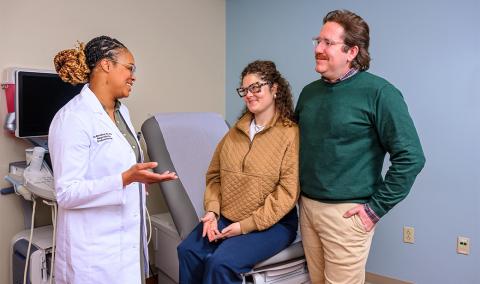
At MU Health Care, we take the time to understand how heavy menstrual bleeding affects you. Together, we’ll find the right treatment so you can enjoy your day-to-day routine worry-free.
What Does Menorrhagia Feel Like?
Menorrhagia affects everyone differently. You might have one, several or all these symptoms:
- Soaking through a sanitary pad or tampon every hour for several hours in a row.
- Using two types of sanitary protection at once to manage your flow.
- Waking up at night to change your sanitary protection.
- Bleeding for more than a week.
- Passing blood clots larger than a quarter.
- Skipping activities because of heavy bleeding.
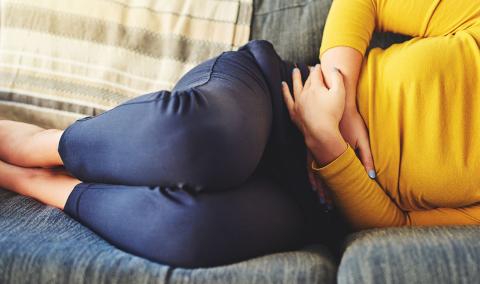
- Feeling tired, weak or short of breath during your period.
Causes of Menorrhagia
Several factors can lead to heavy periods, including:
- Hormonal imbalance: Imbalances in estrogen and progesterone can make the uterine lining too thick, leading to heavy or unexpected bleeding.
- Uterine fibroids: Noncancerous growths in the uterus can make periods heavier or last longer.
- Polyps: Small, benign growths in the uterus lining can cause extra bleeding.
- Adenomyosis: When the uterine lining grows into the muscle wall, periods can be heavier and more painful.
- Bleeding disorders: Conditions like von Willebrand disease can affect blood clotting and lead to a heavier flow.
- Medications: Some anti-inflammatory drugs and blood thinners can cause heavier bleeding.
- Other health conditions: Thyroid problems, liver disease or kidney disease can also play a role.
See a Doctor Right Away if You Have These Symptoms
Sometimes, heavy menstrual bleeding can’t wait for your next appointment. Schedule an appointment with your doctor if you have:
- Bleeding so heavy you soak through a pad or tampon every hour for more than two hours in a row.
- Bleeding between periods or any unusual vaginal bleeding.
- Vaginal bleeding after menopause.
How We Diagnose Menorrhagia
At MU Health Care, we take the time to understand your medical history and symptoms before diagnosing heavy menstrual bleeding.
As part of an academic health system, our specialists use the latest research and advanced diagnostic tools. These help us pinpoint the cause of your symptoms so we can create a personalized treatment plan.
Depending on your symptoms, we may recommend:
- Physical exam: We’ll assess your overall health and discuss your menstrual cycle to understand your symptoms better.
- Blood tests: These check for anemia and thyroid issues.
- Pap test: This screens for cervical abnormalities.
- Ultrasound: This simple imaging test allows us to get a closer look at your pelvic organs.
- Endometrial biopsy: This helps rule out other causes of heavy bleeding.
- Hysteroscopy: With this technology, we can see inside your uterus.
Can Menorrhagia Cause Anemia?
Menorrhagia may cause chronic anemia. The extra blood loss can leave you tired, weak or short of breath. As part of your diagnosis, we’ll check for anemia and make sure you’re getting the care you need.
How We Treat Menorrhagia
At MU Health Care, we start by listening. We look at what’s causing your heavy menstrual bleeding and how it affects your daily life.
Our team works with specialists to find the best treatment for you, whether that means nonsurgical options or advanced surgical care.
Nonsurgical Treatments for Menorrhagia
Once we understand your condition and goals, we may explore nonsurgical options first. Depending on your needs, treatment can include:
- Pain relief medications: Over-the-counter pain relievers like ibuprofen or naproxen can reduce menstrual blood loss and relieve pain.
- Nonhormonal medication: Options like tranexamic acid can help reduce your vaginal bleeding.
- Iron supplements: These can help restore your iron levels from heavy bleeding.
Hormonal treatments can also help if you have severe discomfort from menorrhagia. These can regulate or even stop your period to relieve symptoms.
Your options may include:
- Birth control pills: These pills help manage your cycle and reduce heavy bleeding.
- Hormonal IUDs: Options like the levonorgestrel-releasing intrauterine device can help reduce bleeding and pain.
- GnRH agonists: These can temporarily lower estrogen levels to reduce symptoms.
- Hormone therapy: This can help regulate estrogen and progesterone to reduce heavy periods.
Menorrhagia Surgery
If nonsurgical treatments aren’t enough, MU Health Care offers trusted expert care close to home.
We offer advanced surgical options to suit you, including:
- Dilation and curettage (D&C): This procedure removes the top layer of the uterine lining, temporarily reducing menstrual bleeding.
- Endometrial ablation: This procedure removes the lining of your uterus to help reduce heavy bleeding. It’s not recommended if you plan to have children in the future.
- Uterine artery embolization: This minimally invasive option cuts off blood flow to the affected areas, helping ease menorrhagia symptoms.
- Hysterectomy: If your symptoms are severe and other treatments haven’t worked, removing the uterus can provide lasting relief. This is a permanent solution for those who no longer wish to have children.
Related Conditions & Treatments
- Adenomyosis
- Amniocentesis
- Breastfeeding Support
- Chorionic Villus Sampling (CVS)
- Endometriosis
- Fecal Incontinence
- Fertility Treatments
- Fetal Care
- Gestational Diabetes
- Heavy Menstrual Bleeding (Menorrhagia)
- Hysterectomy
- Irregular Periods
- Labor and Delivery Services
- Breast Imaging Services
- Maternal Fetal Medicine
- Menopause
- Obstetrics and Gynecology (OB/GYN)
- Ovarian Cysts
- Pelvic Organ Prolapse
- Postpartum Depression
- Preeclampsia
- PMS (Premenstrual Syndrome)
- Prenatal Care
- Urinary Incontinence
- Uterine Fibroids