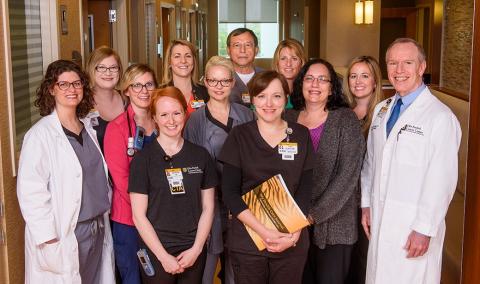
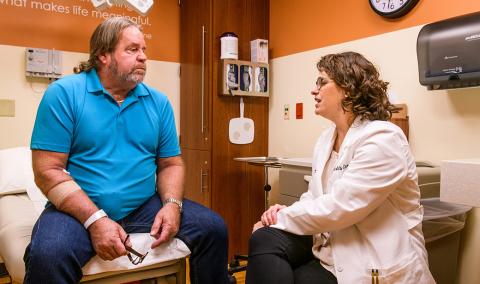
Blood cancers affect how your body makes and uses blood cells — and often require complex care. Our team works together to guide you through each step with a clear, personalized plan.
At Ellis Fishel Cancer Center and Goldschmidt Cancer Center, we treat all cancers of the blood and blood-forming tissues. From common diseases like chronic lymphocytic leukemia (CLL) to rare conditions like myelodysplastic syndrome (MDS), our experts can help.
Our hematologist-oncologists (blood cancer doctors) provide personalized cancer care for all types of leukemia, lymphoma, myeloma and related conditions.
Blood Cancer Symptoms
Leukemia, lymphoma, myeloma and MDS can cause a wide range of symptoms. Signs of blood cancers include:
- Unexplained weight loss
- Night sweats
- Lumps in your neck, armpits or groin
- Bleeding gums
- Blood in your bowel movements
- Heavier than normal menstrual periods
- Frequent nosebleeds
- Extreme fatigue
- Shortness of breath
- Dizziness
- Joint pain
If you have symptoms that concern you, contact your primary care provider. Your doctor or another specialist can refer you to our team in Columbia or Jefferson City.
Second Opinions for Blood Cancers
If you’ve been diagnosed with leukemia, lymphoma, myeloma or MDS and want a second opinion, our team is here to help. You can contact us directly, and we’ll review your care plan, answer questions and recommend next steps.
Types of Blood Cancer
Types of blood cancers we regularly treat include:
- Leukemia
- Acute myelogenous leukemia (AML)
- Chronic myelogenous leukemia (CML)
- Acute lymphoblastic leukemia (ALL)
- Chronic lymphoblastic leukemia (CLL)
- Lymphoma
- Hodgkin’s disease
- Non-Hodgkin’s disease
- Myeloma
- Multiple myeloma
- Plasmacytoma
- POEMS syndrome
- Monoclonal gammopathy of undetermined significance (MGUS)
- Myelodysplastic syndrome (MDS)
Each type of blood cancer starts in different cells, has distinct symptoms and effects on the body. That’s why it’s important to see a specialist for a precise diagnosis.
Blood Cancer Diagnosis at MU Health Care
Our cancer centers provide all the testing needed to diagnose, stage and monitor blood cancer, including:
- Blood work (complete blood count, or CBC): Provides counts of your red cells, white cells, platelets and abnormal cells.
- Lactate dehydrogenase (LDH) blood test: Shows enzyme levels that could be a sign of cancers like lymphoma.
- Uric acid test: Shows uric acid in blood, which is often high in people with blood cancer.
- Bone marrow biopsy: Involves removing bone marrow from your hip with a needle to diagnose and monitor blood cancers.
- Lymph node biopsy: Removes all or part of your lymph node to check for cancer cells.
- Lumbar puncture (spinal tap): Detects cancer cells in fluid around the brain and spinal cord (a sign blood cancer has spread).
- Positron emission tomography/computed tomography (PET-CT) and single-photon emission computed tomography (SPECT): Use radioactive material to create 3D views of cancer activity in the body.
- Other imaging tests: Help with staging and monitoring blood cancer.
- Genetic testing and molecular profiling, including next-generation sequencing: Identify gene mutations that help guide personalized medicine treatments for specific types of cancer.
When you first meet with our blood cancer team, we’ll determine which tests you need. If you live outside of Columbia or Jefferson City, you may be able to have some tests at your local health facility.
Our specialists will also take your medical and family history and perform an examination. During this appointment, we can answer any questions you or your loved ones may have before your treatment begins.