Nutrition During Cancer Treatment

Our Approach to Nutrition Counseling During Cancer Treatment

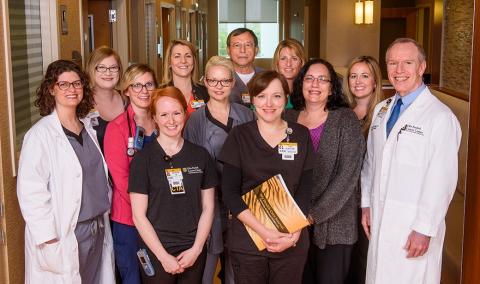
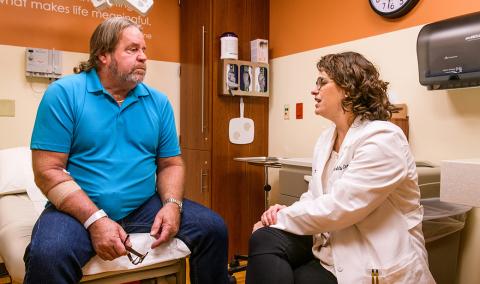
Our dietitians are here to answer any questions you have about nutrition and cancer treatment. Dietitians at Ellis Fischel Cancer Center and Goldschmidt Cancer Center can give you expert guidance to support your treatment goals. Our team focuses solely on helping people with cancer improve their health with better nutrition.

What Should a Cancer Patient Eat During Treatment?

What a patient should eat depends on many factors, which is why our dietitians personalize your nutrition plan based on your:

  • Type and stage of cancer
  • Dietary and cultural preferences
  • Nutritional concerns and side effects from treatment
  • Activity level
  • Age and overall health

When Should I See a Dietitian if I Have Cancer?

Ideally, our dietitians would likely see you when your cancer treatment begins. But we’re also here to help any time before or after you start treatment, especially if you experience side effects. Ask for a referral from your oncologist or contact us directly if you have:

  • Constipation
  • Diarrhea
  • Low energy
  • Mouth sores
  • Nausea or vomiting
  • No appetite
  • Trouble swallowing
  • Weight loss

You can also schedule an appointment if you just have general questions about nutrition during cancer treatment.

How Dietitians Collaborate with Your Care Team

Optimizing your nutrition supports your cancer care, so we’ll work closely with other specialists on your team, including your:

If your care team believes nutritional factors are impacting your treatment outcomes, we’ll work together to address these concerns. Our nutrition experts can also coordinate any specialized nutritional support you may need, based on your individual situation.

Dietary Services to Support Your Cancer Treatment

Whether you come to Ellis Fischel Cancer Center or Goldschmidt Cancer Center, our dietitians can provide the support you need before, during or after.

Pretreatment Counseling

We’re here for you before you start chemotherapy, radiation therapy, immunotherapy or another treatment. Our team can help you understand how therapies may affect your appetite and offer solutions to improve your nutrition and resilience to treatment.

If you have a future surgery planned, we can optimize your nutrition beforehand to improve your outcome. We can also help you prepare for any dietary changes you might need to make after surgery. Such changes might include following a bland or liquid diet immediately after your procedure.

Help Managing Side Effects of Treatment

Cancer treatment can cause many side effects that affect your appetite and ability to maintain a balanced diet. For example: 

  • You may lose your appetite and skip meals
  • Foods may taste different
  • You may have nausea
  • You may be dehydrated
  • You may have a sore mouth or trouble swallowing 

Our dietitians can provide the guidance you need to make small changes that can help you feel better. For example, we may suggest eating smaller, more frequent meals to reduce nausea. Our experts can also teach you which foods to avoid, such as grapefruit, which can interfere with some cancer medications. 

When you lack the energy to cook or clean up the kitchen, our team can provide practical strategies. We’ll also suggest ways to help you avoid foodborne illness when your immune system is weak. 

Maintaining a healthy weight and avoiding malnutrition help maximize the benefits of cancer treatment and minimize the side effects. As a patient at our cancer centers, you can receive a free monthly supply of supplement shakes. These shakes can help support your nutrition, especially when you don’t have much of an appetite.


Support for Enteral and Total Parenteral Nutrition (TPN)

When you have head and neck cancer, treatment or the disease itself may affect your ability to eat, drink and swallow. We’ll work with your cancer rehabilitation team on a plan to help manage your side effects.

If you have trouble swallowing and require a feeding tube (enteral nutrition), our team can provide the assistance you need. Feeding tubes can also help if you have issues with your digestion. We’ll work with your care team to select the right feeding plan and monitor your progress along the way.

In rare cases, your care team may recommend total parenteral nutrition (TPN), which delivers nutrition through an intravenous (IV) line. Our dietitians are skilled in providing specialized nutritional support to people with cancer and severe digestive issues.