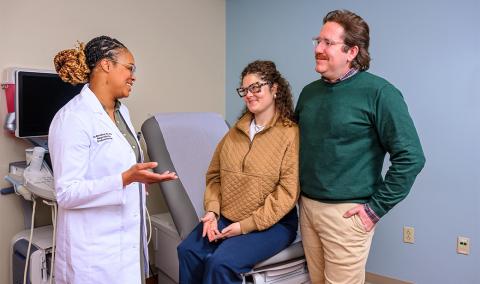
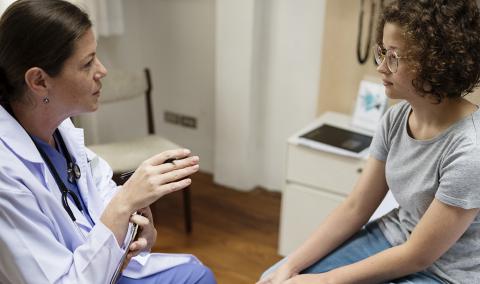
Whether you’re looking for relief from painful periods or struggling to get pregnant with endometriosis, we can help.
Endometriosis is a common condition in which tissue similar to the lining of your uterus also grows outside your uterus (e.g., in your ovaries, fallopian tubes or the lining inside your pelvis). This can cause pain, heavy periods and difficulty getting pregnant, among other problems.
Although there isn’t a cure for endometriosis, there are many treatment options that can offer relief from the condition. The women’s health experts at MU Health Care will work with you to find the best options for you.
Endometriosis Symptoms
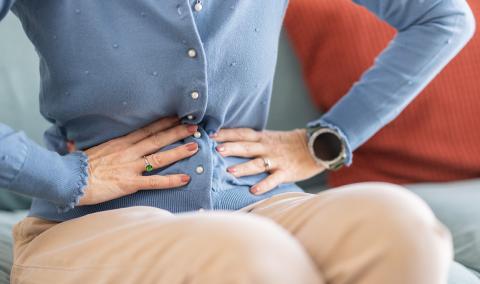
Some of the most common endometriosis symptoms include:
- Pelvic or lower back pain before or during your period
- Pain during sex
- Heavy menstrual bleeding
- Bleeding between periods
- Discomfort during bowel movements
- Difficulty getting pregnant
When to Seek Care for Endometriosis
If you have any of these endometriosis symptoms, talk to your OB/GYN or primary care provider. Besides causing uncomfortable symptoms, endometriosis can cause scar tissue that affects your fertility.
How We Diagnose Endometriosis
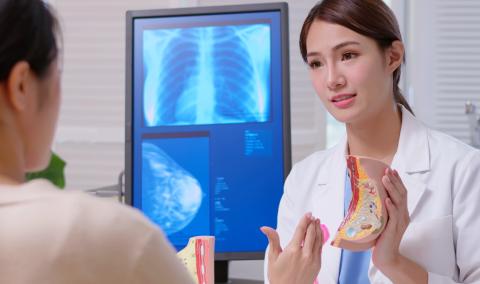
Because endometriosis can be confused with other conditions, it’s important to see an expert if you have symptoms. At MU Health Care, our endometriosis specialists offer a full range of diagnostic options to help you get an accurate diagnosis.
After discussing your health history, our team will perform a pelvic exam to feel your abdomen for cysts or scars. We may also recommend one or more of the following:
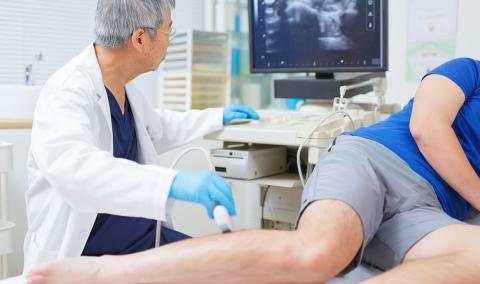
- Ultrasound, which provides images of your reproductive organs and can help identify any cysts or scarring.
- Magnetic resonance imaging (MRI), which provides more detailed images of your pelvic organs.
- Blood tests, which check for hormones linked to endometriosis.
- Laparoscopy, a minimally invasive surgery in which our team collects a tissue sample through small incisions in your abdomen.
Using these tests, our experts will confirm whether you have endometriosis and what stage. Endometriosis stages depend on the size, location and number of tissue growths. Stage 1 is the mildest, and stage 4 the most severe.
It’s important to know what stage you have, because different treatments may work better at different stages.