Our hernia care team combines surgical expertise and a team-based approach to deliver advanced, personalized care close to home.
Hernias occur when tissue or part of an organ pushes through a weak spot in muscle or connective tissue. They can cause a visible bulge or discomfort that may worsen over time.
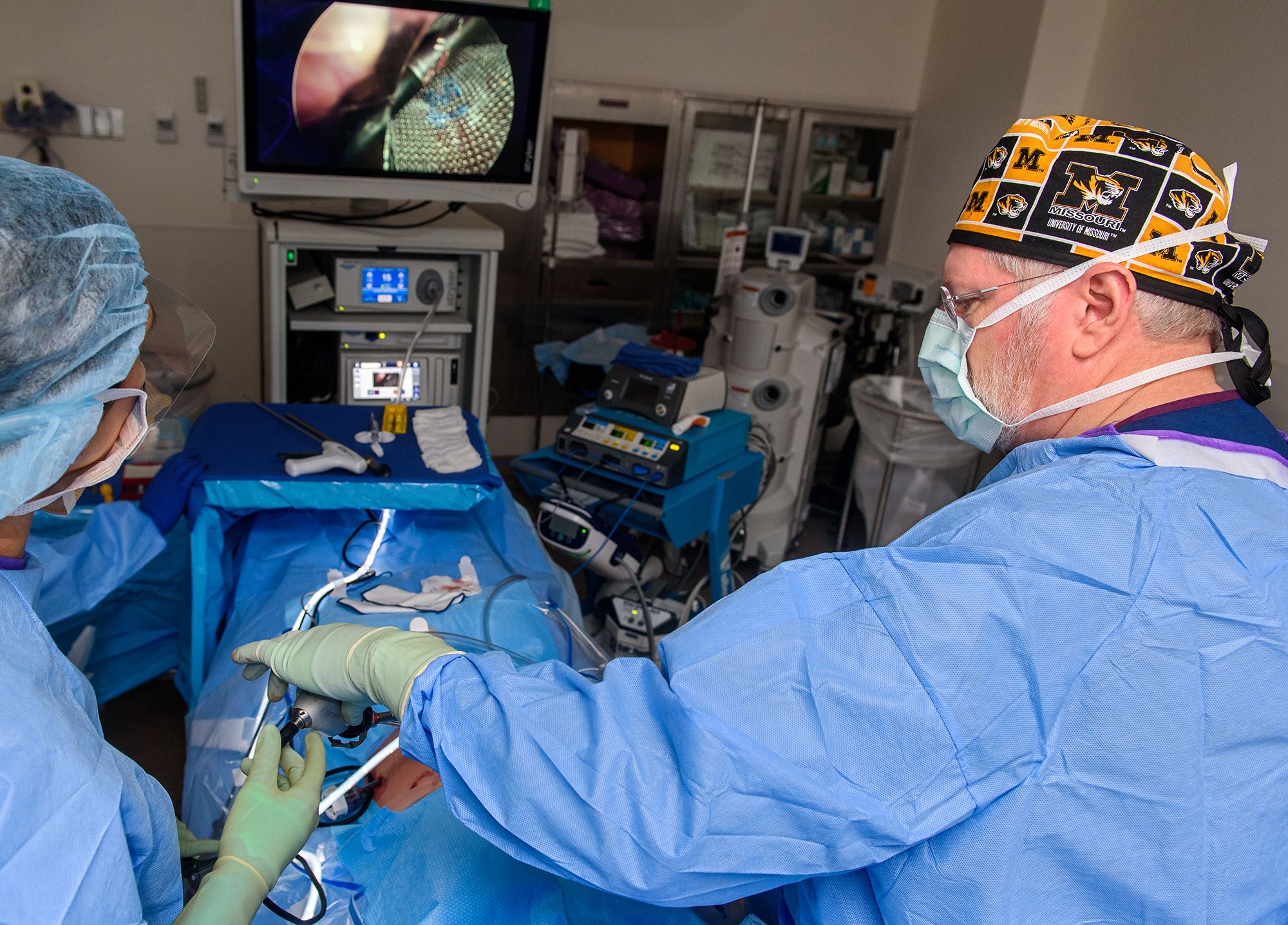
At MU Health Care, our hernia care team provides thorough evaluations and advanced treatment options designed to meet your needs. Our goal is to help improve comfort and restore healthy function through personalized, evidence-based care.
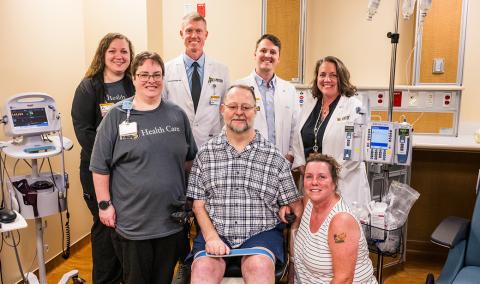
Our specialists take a collaborative approach, bringing together surgeons, bariatric experts, plastic surgeons and OB/GYN specialists to develop the best treatment plan for you. Whether you need a simple repair or a complex abdominal wall reconstruction, we provide the same level of advanced care found in big city centers, right here in mid-Missouri.
Hernia Symptoms
Hernia symptoms can vary depending on the location and severity.
Common signs of a hernia include:
- A visible bulge or swelling in the abdomen or groin
- Pain or tenderness at the site, especially when lifting or bending
- A feeling of pressure or heaviness in the abdomen
- Redness or discoloration of the skin over the area
- Sudden, constant pain that does not improve
- Nausea, vomiting or bowel changes
When to Seek Care for a Hernia
You should seek care right away if you notice:
- A bulge that cannot be pushed back in
- Fever with worsening pain
- Severe or sudden abdominal pain
These may be signs of a trapped (incarcerated) or strangulated hernia, which requires immediate treatment.
Types of Hernias
Our team treats all types of hernias, including:
- Diastasis recti: Not a true hernia but a separation of the abdominal muscles, which our surgeons can also repair.
- Incisional hernias: Happen at or near a previous incision site.
- Inguinal hernias: Occur in the groin area and are the most common type.
- Umbilical hernias: Form near the belly button and are especially common among adults with prior surgeries or pregnancies.
- Ventral hernias: Develop along the abdominal wall, often at the site of a previous surgery.
How We Diagnose a Hernia
Hernia care at MU Health Care begins with a detailed consultation and physical exam. During your first visit, we’ll review your medical history, discuss your symptoms and determine whether surgery is needed.
We may use imaging tests, such as:
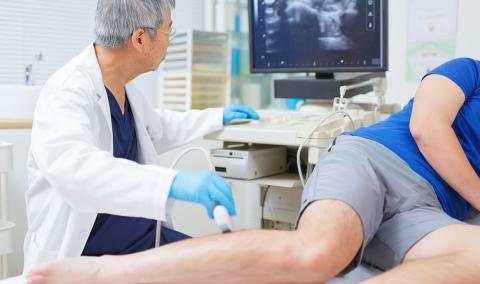
- Ultrasound: Identifies small hernias or those hidden under muscle.
- CT scan: Provides a more complete view of the abdominal wall and guides our surgical approach.
Our goal is to make diagnosis precise and efficient, so you can move forward with the best treatment plan for your health and lifestyle.