What to Expect With Kidney Transplant
Once referred through your nephrologist, dialysis or yourself, you will have a full evaluation by our transplant team, including any tests or labs needed to determine whether you are a kidney transplant candidate.
If approved, you will be placed on the national wait list through the United Network of Organ Sharing (UNOS). Your kidney transplant coordinator will keep you informed and help you stay “transplant ready” with regular updates and support.
If you have a living donor, you will not need to wait for a donor, which can dramatically cut your wait time from years to a few months.
While you wait for a kidney transplant, staying healthy is key. It is important to update the transplant team about changes to your health, and take advantage of expert support available at MU Health Care, including nutrition guidance from our dietitians and resources like the My Transplant-Ready Workbook.
Once a match is found, we’ll immediately bring you into the hospital and perform your surgery. We will support your recovery in the hospital and at home.
After transplant, you’ll have close follow-up care to monitor your new kidney, manage medications and support your physical and emotional well-being. We stay involved for life, because protecting you and your transplant is our priority.
Why Choose MU Health Care for Kidney Transplant
- The most experienced teams in the region: Since 1972, we’ve performed more than 1,000 kidney transplants, with outcomes that consistently exceed national averages, including an acute rejection rate below 10%.
- Expert care for adults and children: We offer transplant services for pediatric and adult patients. Our kidney-only focus allows us to create a personalized and specialized plan for each patient.
- Advanced kidney transplant options: From minimally invasive living-donor transplant techniques to steroid-free immunosuppression protocols, we offer modern approaches designed to improve outcomes.
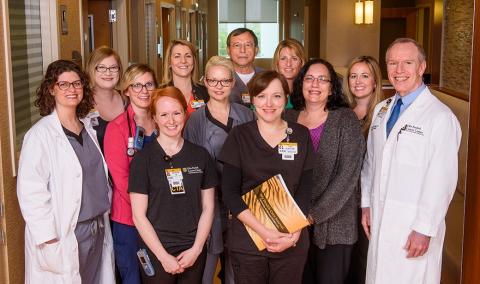
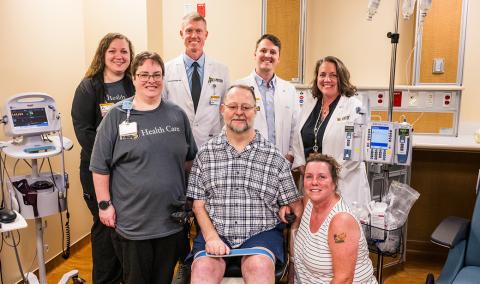
- Team-based support: Your care team includes transplant surgeons, nephrologists, coordinators, dietitians, social workers and more — all working together to support your health, now and in the years ahead.
- The academic advantage: As part of the region’s only academic health system, our team contributes to research that improves care — including making it easier to continue using vital medications after your kidney transplant.