A concussion is a type of traumatic brain injury and shouldn’t be ignored. At MU Health Care, we provide expert evaluation and personalized care to help you feel better, avoid long-term issues and get safely back to school, work or play.
A concussion can happen after a fall, sports injury or accident, and symptoms may appear mild at first. Some people feel dizzy or foggy right away, while others don’t notice symptoms until days or even weeks later.
No matter how it starts, every concussion deserves expert care. Our specialists are here to help you recover.
You’ll have a team of neurologists, rehabilitation experts and athletic trainers working together to assess your symptoms, guide your care and track your progress. We’ll explain what to expect and how to protect your brain while it heals.
Whether you’re heading back to the field, classroom or office, we’re with you from diagnosis to recovery. Our goal is to help you heal and lower your risk of future injury.
Our Approach to Concussion Care
No two concussions are exactly alike. At MU Health Care, we take time to understand your symptoms, how the injury happened and how it’s affecting your daily life.
Your care team may include neurologists, sports medicine doctors, rehabilitation specialists and athletic trainers. We work together to create a personalized plan that helps you recover and avoid long-term complications.
Concussion Symptoms
Concussion symptoms can show up right away or days later. Some are obvious, like a headache or dizziness. Others are more subtle or easy to miss.
If you’ve had a head injury, get checked out if you notice:
- Changes in behavior or mood
- Changes in vision
- Difficulty balancing
- Difficulty concentrating
- Dizziness
- Memory difficulties
- Severe or recurring headaches
- Sleep disturbances
When to Seek Emergency Care
Some symptoms need fast medical attention. Head to the ER or urgent care right away if you have:
- Convulsions or seizures
- Decreased coordination
- Extreme drowsiness or inability to stay awake
- Headache that doesn’t go away
- Loss of consciousness
- One pupil larger than the other
- Repeated vomiting or nausea
- Restlessness, agitation or unusual behavior
- Slurred speech
- Weakness or numbness in the body
Not sure how serious your symptoms are? It’s always safest to get checked out. Early care can help you heal faster and prevent future problems.
How We Diagnose Concussions
Depending on your situation and symptoms, your concussion evaluation may include:
- Cognitive testing: Check your memory, attention and reaction time to see how your brain is working after the injury.
- Imaging and scans: MRIs or CT scans are sometimes used to rule out bleeding or other issues.
- Medical evaluation: A neurologist or physiatrist will assess your symptoms and help guide next steps.
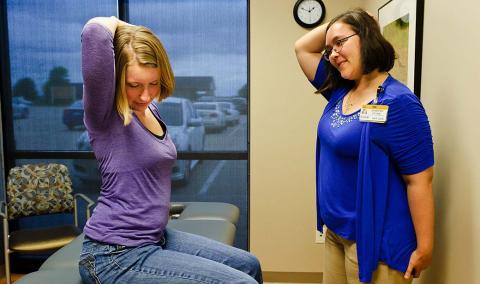
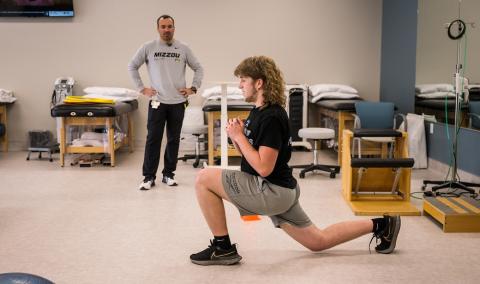
- Physical evaluation: Checks your balance, coordination, reflexes and eye movements to see how your brain is functioning.