Experience matters when you need care for a brain tumor. Our brain tumor and brain cancer experts can provide advanced treatments and support to help you achieve the best outcomes.

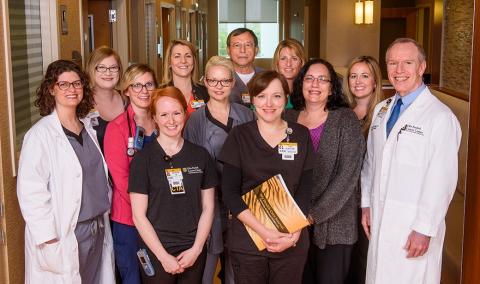
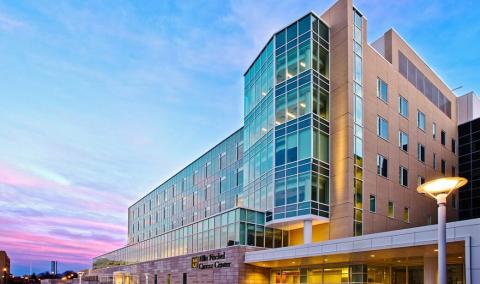
As an academic health system, we deliver the highest level of care for brain cancer and tumors. We specialize in minimally invasive brain surgery as well as innovative radiation therapies only available at leading hospitals. Because we routinely treat the most complex and advanced tumors, our team is well-equipped to support you throughout your care.

When you come to MU Health Care for brain tumor care, you can expect a personalized approach. We’ll help you and your family coordinate all aspects of your care — from scheduling appointments to managing treatment side effects.

Brain Tumor Symptoms

Brain tumors can cause a wide range of symptoms based on their size, type and location in the brain. Some signs of brain tumors include:

  • Blurry vision
  • Confusion or poor memory
  • Difficulty speaking
  • Difficulty walking
  • Falls
  • Hearing loss
  • Loss of sensation or weakness in part of your body
  • Personality changes
  • Seizures
  • Severe headache

Signs of brain tumors can be similar to symptoms in other conditions, so getting an accurate diagnosis is crucial. If you have symptoms that concern you, contact your primary care provider. Your primary care provider or another specialist can refer you to our team.

Second Opinions for Brain Tumors

If you’ve been diagnosed with a brain tumor and want a second opinion, we’re here for you. We can also provide expert guidance on next steps if you have a recurrent brain tumor. You can contact our team directly, and we’ll address your questions and concerns.

Types of Brain Tumors

At MU Health Care, we offer advanced treatment for benign (noncancerous) and malignant (cancerous) brain tumors. We also care for cancer that has spread from other areas to the brain (metastatic cancer).

Some of the brain tumors we regularly treat include:

  • Acoustic neuroma
  • Anaplastic astrocytoma
  • Glioma, including glioblastoma multiforme
  • Hemangioblastoma
  • Meningioma
  • Neurocytoma
  • Oligodendroglioma

Whether you have a rare or common brain tumor, our skilled team has the expertise to diagnose and treat your condition.

Brain Tumor Diagnosis at MU Health Care

All the advanced tests needed to diagnose and stage your brain tumor are available at our cancer centers, including:

  • Biopsy: Involves removing and examining tissue from the tumor.
  • Magnetic resonance imaging (MRI): Uses strong magnets and radio waves to create detailed pictures of your brain. MU Health Care is one of the few health systems in the nation to offer both 3T and 7T MRI imaging for the brain.
  • Computed tomography (CT): Creates a 3D view of your brain from X-rays.
  • Positron emission tomography (PET): Examines blood flow and activity in brain tissue.
  • Genetic testing: Allows us to identify gene mutations in tumors that could be used for targeted therapy.
  • Blood work: Helps rule out other conditions that cause symptoms similar to brain tumors.

We try to coordinate your appointments on the same day so there’s less travel time. In many cases, you may not need to come to Columbia or Jefferson City for lab work and some imaging tests. We offer convenient locations throughout mid-Missouri for your testing needs.

Whenever possible, we’ll try to arrange all your testing before you meet with our brain tumor team. With this approach, we aim to provide more answers on your first visit, so you can get treatment started sooner.


Brain Tumor Treatment at MU Health Care

Our team will personalize your treatment based on several factors, including:

  • The type and stage of your tumor
  • Your overall health, including other chronic diseases you may have
  • Your care goals

Before recommending treatment, our neurosurgeons, medical oncologists and radiation oncologists will review your brain tumor as a team. Having insights from multiple specialties is especially beneficial if you have a rare or complex tumor. Together, we will determine the best approach based on your specific situation. 

For many brain tumors, we often start with a combination of therapies, such as surgery, chemotherapy and radiation.

Brain Cancer Surgery

Our neurosurgical team, which includes neurosurgeons, head and neck surgeons and reconstructive surgeons, offers advanced treatments for brain tumors. Some of the options and techniques available include:

  • Minimally invasive brain surgery, including “keyhole” surgery that uses smaller incisions and openings in the skull to remove tumors.
  • Laser interstitial thermal therapy (LITT), a type of minimally invasive surgery for brain tumors. During LITT, your surgeon will insert a small laser through an opening in your skull and use a laser to heat and destroy tumor cells.
  • Intraoperative chemotherapy, which involves placing tiny beads of medicine in your brain after tumor removal to prevent regrowth.

To operate with the highest precision during minimally invasive surgery, our team uses 3D, intraoperative CT imaging. For some tumors, brain mapping of your anatomy may also be performed to help protect critical brain regions during surgery.

Chemotherapy for Brain Cancer

Chemotherapy is oral or intravenous (IV) medication that can kill cancer cells. It is often combined with other therapies, such as radiation and surgery, for certain brain tumors.

Before your treatment, your medical oncologist will explain what you can expect during chemotherapy. We’ll discuss how many chemo treatments you’ll receive and on what schedule. You’ll also meet with a pharmacist to discuss your care plan and how to manage potential side effects.

Radiation

Radiation with or without chemotherapy is a common treatment for many brain tumors. Some of the options available from our experienced radiation oncologists include:

  • External beam radiation therapy (EBRT): Uses high-energy rays to destroy brain tumor cells.
  • Stereotactic radiosurgery (SRS) and stereotactic radiation therapy (SRT): Deliver highly focused radiation in fewer sessions than traditional radiation.
  • Brachytherapy: Placing radioactive “seeds” in the brain after surgery to treat cancer.

Targeted Therapies for Brain Cancer

Targeted therapies are oral or IV medications that “target” specific processes in tumor cells to slow their growth. Not all brain tumors are eligible for targeted therapy, but it may be an option for gliomas and other tumors. Our team may recommend that you have targeted therapy after surgery or other treatments.

Immunotherapy for Brain Cancer

Immunotherapy medications use your immune system to destroy brain tumor cells with specific genetic characteristics, or “biomarkers.” They may be an option for certain types of brain tumors. For example, an immunotherapy drug called bevacizumab may be used before or after surgery and radiation for recurrent glioblastoma multiforme.

Brain Cancer Support Services

To support you before, during and after your brain cancer treatment, we can provide a variety of services, including:

  • Cancer rehabilitation, which includes physical therapy, occupational therapy and speech therapy, if needed.
  • Supportive and palliative care, which can help you manage pain and other symptoms during treatment.
  • Nutrition services, which includes dietitians who can help you maintain healthy eating habits during treatment to support your healing.
  • Social workers, who can offer information on financial assistance and other support, if needed.