Some wounds need specialized care to heal. Our highly experienced wound care team offers nonsurgical and surgical treatments for all types of chronic and difficult-to-treat wounds.
If you have a wound that takes longer than 30 days to heal, we can help. We care for a wide range of wounds, including those affected by conditions like diabetes or vein disease.
Common wounds we treat include:
- Diabetic foot ulcers
- Wounds related to issues with your veins or arteries
- Severe burns
- Bed sores from too much pressure on one part of your body
- Wounds associated with cancer treatment
- Trauma wounds from injuries or accidents
How to See Our Wound Care Team
You can get a referral to see our team from your vascular surgeon, endocrinologist or another specialist.
When to Get Immediate Help for Wounds
Signs you could have an infection or other serious complication from your wound include:
- Increased pain, swelling or drainage
- Redness or warmth around the wound
- Fever or chills
If you have these signs, get emergency care or urgent care.
Our Approach to Wound Care
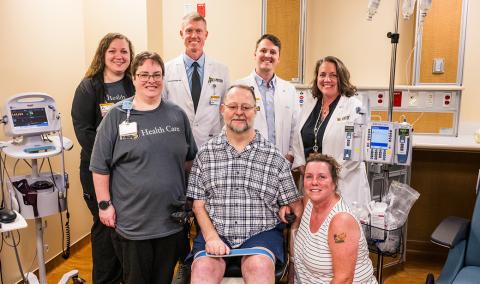
Chronic and complex wound care at MU Health Care involves more than just treating your burn, sore or infection. We’ll assemble the right team of experts to help heal your wound and reduce your risk of complications.
Your care team may include:
What to Expect During Your First Visit
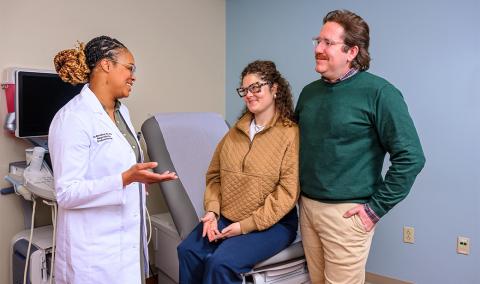
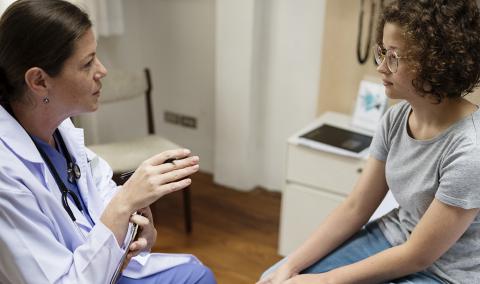
For your first visit, you’ll meet with a nurse practitioner for about one hour. We will assess any underlying conditions that could affect your body’s ability to heal wounds. Then our team of specialists will provide personalized care to help you heal based on:
- Your age and other medical conditions
- The location, area and depth of your wound
- Whether you have an infection
- Your lifestyle, goals and preferences
Unlike other centers, our team may be able to see you more quickly and frequently. For example, you may be able to see us every week or two weeks for treatment. With this approach, we can provide more consistent care and identify any issues at early stages.
Conditions We Treat
Our team treats many types of chronic and complex wounds, including:
- Amputation wounds
- Bed sores (pressure ulcers)
- Burns
- Cancer wounds (radiation burns)
- Chronic wounds
- Complex wounds
- Diabetes-related wounds (diabetic foot ulcers)
- Lymphedema wounds
- Ostomy (surgical opening in abdomen)
- Peripheral artery disease (PAD) ulcers
- Skin infections (cellulitis)
- Surgical wounds
- Trauma wounds
- Vein disease ulcers (venous stasis)