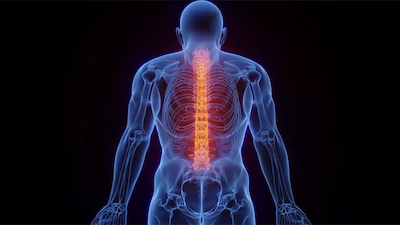

When neck or back pain is affecting your life, our spine experts can offer the answers and relief you need.

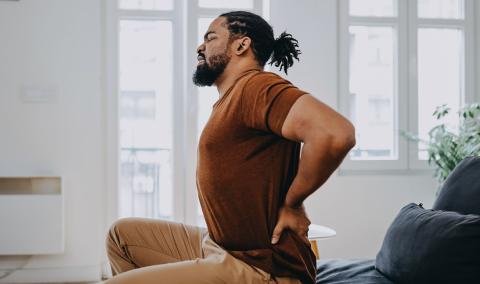
Neck and back pain can impact every part of your day — from walking and sleeping to simply sitting comfortably.

At MU Health Care, we treat all types of spine conditions and injuries, from common issues like herniated discs to complex deformities.

Whether you're looking for nonsurgical relief, a second opinion or advanced surgery, our team can help you find the right path forward.

Spine Care at MU Health Care

Spine conditions can cause dull aches, sharp pain or numbness and weakness in your arms or legs.

We start by understanding your symptoms and goals, then we build a plan to reduce pain and improve your movement.

Spine Conditions We Treat

We care for a range of spine problems, including:

  • Arthritis in the neck
  • Arthritis in the spine
  • Back pain
  • Herniated disks
  • Kyphosis
  • Neck pain
  • Osteoporosis
  • Pinched nerves (radiculopathy)
  • Sciatica
  • Scoliosis
  • Spinal cord compression
  • Spinal deformities in children and adults
  • Spinal fractures
  • Spinal infections
  • Spinal stenosis
  • Spinal tumors
  • Spondylolisthesis
  • Spondylolysis

Am I a Candidate for Spine Surgery?

When you come to MU Health Care for a spinal condition, we explore every available treatment, starting with nonsurgical options. But if other treatments haven’t helped enough, surgery may be the best next step.

You may be a candidate for spine surgery if:

  • Imaging shows nerve or spinal cord compression, with or without spinal instability
  • Nonsurgical treatments haven’t worked
  • Pain, weakness or numbness affects your ability to function

We’ll talk through your options and explain the benefits and risks so you can decide what’s right for you.

Our Approach to Spine Treatment

At MU Health Care, our goal is to reduce pain and improve function using the latest and most effective treatments available. That means starting with the least invasive options and only recommending surgery when necessary.

We also offer second opinions for people who want to confirm a diagnosis or explore other options.

Your First Visit

At your first appointment, we may:

  • Review your symptoms, medical history and prior imaging
  • Perform a physical exam to check your strength and mobility
  • Order advanced imaging, such as low-dose EOS imaging to see your spinal alignment
  • Use electrodiagnostic testing or AI-assisted gait analysis to assess movement and nerve function

Our Spine Care Team

Depending on your needs, your care team may include: 

We may also work with specialists in our Bone Health Program to support your bone strength, especially if you have osteoporosis or spinal fractures.

Nonsurgical Treatment Options

It may be possible to find relief from spinal pain without surgery. Your treatment plan may include: 

  • Chiropractic care
  • Physical therapy
  • Rest and activity modifications
  • Injection therapy, such as corticosteroids, nerve blocks or Botox for specific pain conditions
  • Neurostimulation (spinal cord stimulation)
  • Radiofrequency ablation (RFA)

Spine Surgery Options

If surgery is needed, our board-certified surgeons offer both traditional and minimally invasive procedures for spine conditions.

Minimally Invasive Techniques

The spinal procedures available at MU Health Care use smaller incisions and advanced tools to reduce recovery time and lower the risk of complications:

  • Oblique lumbar interbody fusion (OLIF): A small incision is used to decompress nerves, correct alignment and fuse the spine.
  • Percutaneous pedicle screw instrumentation: Hardware is placed through tiny incisions, often for fractures, tumors or spinal instability.
  • Microdiscectomy: A small portion of a herniated disc is removed under magnification to relieve nerve compression and reduce pain.

Other Surgical Options

We also offer a full range of spine surgeries, including:

  • Anterior cervical arthroplasty: Restores motion and relieves pain by replacing a damaged cervical disc with an artificial one.
  • Anterior cervical corpectomy and fusion: Stabilizes the spine and reduces pressure on the spinal cord.
  • Anterior cervical discectomy and fusion (ACDF): Removal of a herniated or degenerative disc.
  • Laminectomy, including posterior lumbar and posterior cervical (with or without fusion): Reduces nerve compression by removing all or part of the lamina, a bony structure on the back of the vertebra.
  • Posterior cervical laminoplasty: Creates more space in the spinal canal by widening the lamina to relieve pressure on the spinal cord and nerve roots in the neck (cervical spine).
  • Transforaminal lumbar interbody fusion (TLIF): A spacer (cage) filled with bone graft material is placed between the vertebrae to stabilize the spine and relieve nerve compression in the lower back.