Pregnancy changes your body in powerful ways — and childbirth is no small event. Postpartum physical therapy (PT) is specialized care designed to help you heal, rebuild strength and return to the activities you love.
If you’re a new mom, the postpartum period may include a lot of adjustments as you welcome and care for the newest member of your family. Our pelvic health PTs are here to support you. Mizzou Therapy Services is the largest provider of postpartum PT in central Missouri and with locations across the region, you can get specialized care close to home.
Am I a Candidate for Postpartum Physical Therapy?
Pregnancy and childbirth can cause pelvic floor dysfunction that’s associated with a range of symptoms, such as:
- Loss of bladder control (urinary incontinence)
- Loss of bowel control (fecal incontinence)
- Pelvic pain
- Pain during sex
- Pain during urination or bowel movements
- Constipation
- Vaginal soreness that lasts more than two weeks
- Feeling like your vagina is “falling out”
- Pain in the back, hips, legs or neck lasting more than two weeks
- Pain while sitting
If you have any of these symptoms, postpartum PT can help.
You may also benefit if you experienced:
- Abdominal wall laxity (diastasis rectus abdominus muscles, DRAM)
- C-section
- Perineal tear or episiotomy
- Tailbone fracture
- Use of forceps or vacuum
- Very long or very short pushing phase
Even if you had an uncomplicated pregnancy or childbirth, postpartum PT can help you return to exercise and daily activities with more comfort and confidence.
Getting Postpartum Physical Therapy at MU Health Care
Your OB/GYN, maternal fetal medicine specialist or primary care provider can refer you to our team. Even if you haven’t experienced any of the symptoms or complications listed above, if you feel like you could benefit from postpartum physical therapy, that is enough to ask for a referral. We’ll contact your insurance company to determine how many sessions are covered and guide you through the process.
Our Approach to Postpartum Physical Therapy
In many other countries, postpartum therapy is standard care after delivery — not because something went wrong, but because your body has been through something significant.
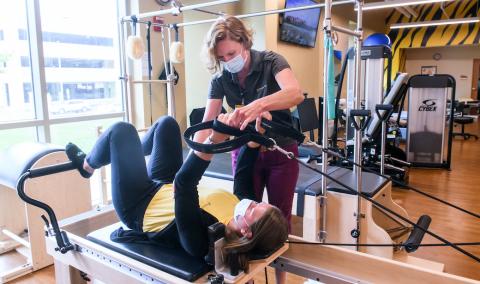
At MU Health Care, we provide personalized care whether your birth was uncomplicated or medically complex. Your goals matter, whether that’s walking without discomfort, exercising again, reducing pain or simply feeling stronger in your daily routine.
Throughout your treatment, our pelvic health PTs will work closely with other specialists involved in your care, such as:
Together, we focus on helping you move comfortably and confidently again.
Benefits of Postpartum Physical Therapy
Research conducted at MU Health Care found that having postpartum PT after a C-section significantly improves outcomes. Compared with no therapy, women who attended PT once or twice a week experienced:
- Less pain
- Faster recovery
- Higher patient satisfaction
Even if you didn’t have a C-section, research supports the benefits of having postpartum PT for pelvic floor health, core strength and overall recovery.