Parkinson’s disease is a progressive neurological condition that affects movement, balance and coordination. While symptoms can change over time, early diagnosis and specialized care can help manage symptoms and maintain quality of life.

Parkinson’s disease affects more than movement — it can influence mood, memory and daily life. That’s why our movement disorders specialists tailor treatment plans to each person’s symptoms, goals and stage of disease.

As part of an academic health system, we offer access to advanced therapies, including deep brain stimulation and innovative medication pump systems, along with ongoing support to help patients maintain independence and quality of life.

Parkinson’s Disease Symptoms

Signs that you or a loved one could have Parkinson’s disease include:

  • Shaking (tremors) in your hand or chin
  • Stiff arms or legs
  • Hand cramps
  • Changes in how you walk or move
  • Uncontrolled toe curling
  • Loss of smell
  • Difficulty sleeping
  • Constipation
  • Breathy voice
  • Hunched over posture

Because these signs can occur with other movement disorders and health issues, it’s important to see a PD specialist.

How to See Our Parkinson’s Disease Team

If you have these symptoms or are newly diagnosed with PD, our neurologists can provide an evaluation. Your primary care doctor or other specialist can refer you to our team. If you live outside of Columbia, we can work with your local provider to manage your care. 

You may also reach out to us directly for a second opinion on your Parkinson’s diagnosis or treatment plan. 

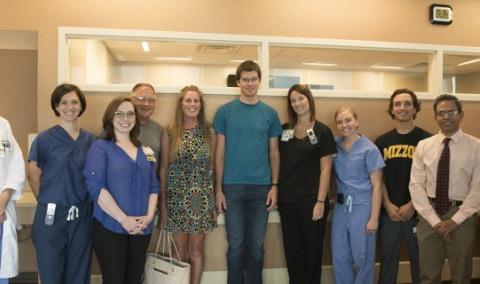
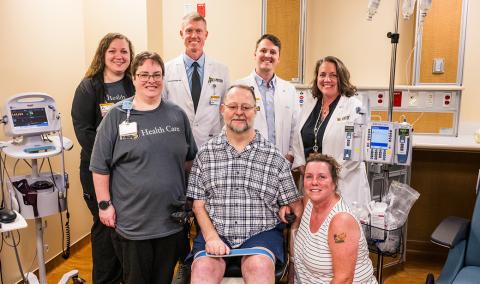
At MU Health Care, our PD team includes:

  • Neurologists: Specialists in managing the overall care of people with Parkinson’s.
  • Neurosurgeons: Collaborate with neurologists on deep brain stimulation treatments.
  • Psychiatrists: Help manage depression and other mental health issues associated with PD.
  • Neuropsychologists: Use advanced testing to monitor cognitive (thinking) functions over time.
  • Neurological rehabilitation: Collaborate on physical, occupational and speech therapy to improve your function.
  • Rehabilitation medicine specialists: Physicians who oversee your rehab plan.
  • Genetic counselors: Offer genetic testing to personalize your treatment and help family members understand their risk for PD.
  • Nurse navigators: Coordinate your appointments and offer Parkinson’s resources.

Because we’re part of an academic health system, we can also involve other providers you might need. We have more specialists and subspecialists than any other center in mid-Missouri.


Parkinson’s Diagnosis at MU Health Care

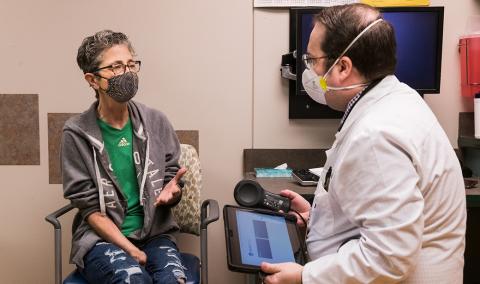
For your first appointment, you’ll meet with a neurologist who specializes in diagnosing and treating movement disorders. Your neurologist will ask questions about your health and family history. They will also perform a neurological exam that checks your muscles, reflexes, nerves, walking, balance and other factors.

Tests for Parkinson’s

After your first appointment, we may recommend other tests to diagnose PD, such as:

  • Blood tests: Check for other health issues that can cause similar symptoms as PD.
  • Neuropsychological tests: Assess brain function.
  • Skin biopsy: Checks for a protein associated with Parkinson’s disease.
  • Dopamine transporter scan: Measures cell activity in brain regions that control movement.

Genetic Testing for Parkinson’s Disease

We offer advanced genetic testing and counseling services at MU Health Care. Our team may recommend genetic testing if you’re younger than 50 and have young-onset PD. By understanding your genetics, we can suggest the right treatment options.

Parkinson’s Treatment at MU Health Care

Parkinson’s symptoms can interfere with many aspects of daily life. Your care team will work with you to design a personalized care plan based on your or your loved one’s:

  • Symptoms and stage of Parkinson’s disease
  • Age and other health conditions
  • Goals and preferences

We may recommend starting with oral medications that can help control symptoms. If oral medications don’t provide enough relief, several innovative options are available.

DUOPA and Subcutaneous Pumps

We offer two FDA-approved devices that provide continuous medication to your body to manage symptoms:

  • DUOPA pumps that deliver medicine through a tube to your intestines
  • Subcutaneous pumps, which are wearable devices that deliver Parkinson’s medicine under the skin

Our team has extensive experience in using these pumps to help patients improve their daily function and quality of life.

Deep Brain Stimulation (DBS)

Our neurologists and neurosurgeons work together to provide deep brain stimulation at MU Health Care. DBS involves surgery to implant an electrical stimulation device in your brain. Your neurologist will program the device to stimulate your brain and help reduce your PD symptoms.

Botox Injections

Your neurologist can inject a neurotoxin to help relax overactive muscles that are having spasms or contractions. We’ll develop a personalized plan for injections, based on your specific symptoms and goals.

Rehabilitation for Parkinson’s Disease

We offer several neurological rehabilitation programs specifically for people with Parkinson’s disease:

  • Lee Silverman Voice Treatment program, which can improve speech and other functions
  • Rock Steady Boxing classes, which involve no-contact exercises to improve strength, balance, walking and more

Parkinson’s Disease Support Group

Each month, we host a support group for patients, family members and caregivers affected by Parkinson’s disease. The group provides a forum for families to share their experiences and helpful resources about living with the condition.

Follow-Up Care for Parkinson’s Disease

Parkinson’s is a progressive disease, although how it advances varies from person to person. We’ll set up regular appointments, so we can continue to monitor your symptoms and adjust your treatment plan as needed.