Coronary artery bypass grafting (CABG) helps restore blood flow to the heart and relieve symptoms caused by coronary artery disease. Our cardiothoracic surgeons work closely with your care team to guide you through treatment and recovery.

When coronary arteries become blocked, the heart muscle may not receive the oxygen-rich blood it needs. CABG is a surgical procedure that restores blood flow to the heart by creating a new pathway around the blocked artery.

At MU Health Care, our cardiothoracic surgery team will develop a personalized care plan based on your heart health, symptoms and overall needs.

Types of Advanced Coronary Artery Bypass Grafting at MU Health Care

Our cardiothoracic surgeons offer the full spectrum of CABG procedures and will recommend the type of surgery that best fits your needs.

On-Pump CABG

In traditional CABG surgery, the heart is temporarily stopped, and a heart-lung machine circulates blood and oxygen throughout the body so a surgeon can perform the procedure with precision.

This approach, called on-pump CABG, allows the surgical team to work in a still, controlled environment. It may be recommended for complex cases or when several bypass grafts are needed. Once the bypass is complete, the heart is restarted, and normal blood flow is restored.

Off-Pump CABG (Beating-Heart Surgery)

During an off-pump CABG procedure, surgeons perform the bypass while the heart continues to beat. Special stabilizing tools hold a small area of the heart steady so the surgeon can safely attach the graft.

MU Health Care is the only center in mid-Missouri that offers off-pump CABG. This approach may be recommended if you have a higher surgical risk.

Our Approach to CABG Surgery

Heart bypass surgery at MU Health Care begins with understanding your needs. Our goal is to improve heart function while supporting long-term health and recovery. We will help determine the most effective treatment plan for you.

Personalized Evaluation and Treatment Planning

Your care begins with a detailed evaluation of your heart and overall health. Our specialists will review imaging, test results and symptoms to determine whether CABG is the best option. 

Your care team may include specialists in:

  • Cardiology for diagnosis and heart catheterization
  • Cardiac surgery to plan and perform the bypass procedure
  • Cardiovascular anesthesia to support you during surgery
  • Critical care specialists to aide in your recovery after surgery

These specialists work together to recommend an approach that best fits your needs.

Coordinated Care Through Recovery

Care continues after CABG surgery with close follow-up and recovery support. Most patients stay in the hospital for three to five days after the procedure. We may also recommend returning for evaluation about one week after discharge from the hospital.

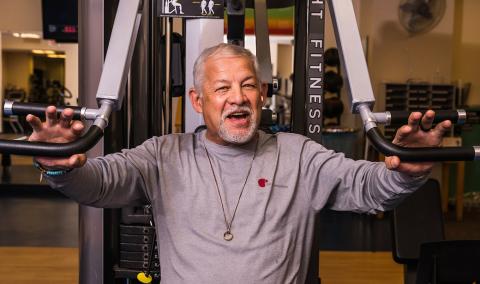
Many care plans also include cardiac rehabilitation, which helps improve strength, heart function and confidence during recovery.

What to Expect With CABG

CABG surgery is carefully planned and performed by a team of heart and vascular specialists. Understanding each step can help you feel more prepared for treatment and recovery.

Before Surgery

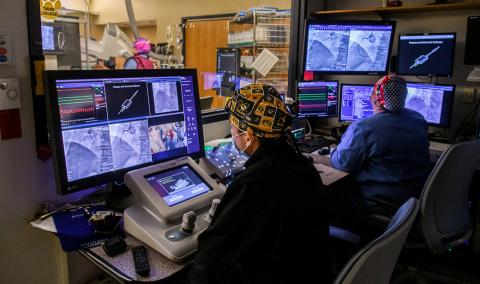
You may have a left heart catheterization before surgery is scheduled. This test allows doctors to see where coronary arteries are blocked and determine whether bypass surgery is needed.

Your care team will review the results with you and explain the surgical plan.

During Surgery

CABG surgery typically takes four to six hours. During the procedure, your surgeon uses a healthy blood vessel from your chest, leg or arm to create a new path around the blocked artery. This helps blood flow more easily to your heart muscle.

After Surgery

Your care team monitors your recovery closely before you return home. You may have a follow-up appointment with your surgeon about one week after discharge.

It may also be recommended that you participate in cardiac rehabilitation to help rebuild strength and support long-term heart health.