A chronic total occlusion (CTO) is a complete blockage in one of your heart’s arteries. Our team offers advanced, minimally invasive care to relieve symptoms and lower your risk of future heart problems.
Chronic total occlusion happens when a heart artery becomes fully blocked for at least three months, reducing blood flow to the heart. It can cause chest pain, fatigue or shortness of breath and increase your risk of heart attack over time.
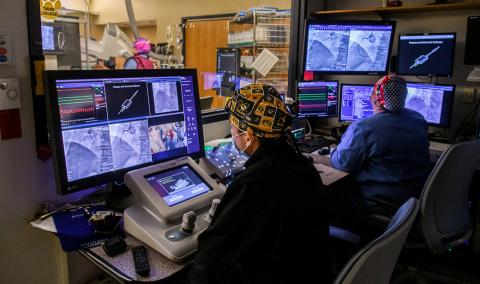
At MU Health Care, our interventional cardiologists specialize in diagnosing and treating CTO. We use advanced imaging and minimally invasive techniques, including complex percutaneous coronary intervention (PCI), to safely restore blood flow to the heart and relieve symptoms.
Whether you’re newly diagnosed, exploring treatment options, managing ongoing symptoms or need a second opinion, we’re here to help.
Our Approach to Chronic Total Occlusion Care
CTO is one of the most advanced forms of coronary artery disease and it requires specialized expertise.
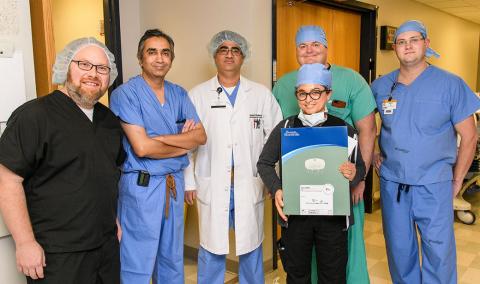
At MU Health Care, our interventional cardiology, cardiac surgery and imaging specialists work together to guide your diagnosis, treatment and recovery. Our team approach allows us to offer the full range of options, from medication and lifestyle support to advanced procedures and surgery.
Chronic Total Occlusion Symptoms
Everyone’s symptoms can feel different. In some cases, there may be no noticeable signs until the condition worsens.
Chronic total occlusion symptoms often appear during physical activity but can also happen at rest. They may include:
- Arrythmia (irregular heartbeat)
- Chest pain or pressure
- Dizziness
- Fatigue
- Nausea
- Shortness of breath
- Upper arm pain
When to Call Your Doctor
Call 911 right away if you have chest pain that lasts for more than a few minutes, sudden shortness of breath at rest or other signs of a heart attack such as dizziness, nausea or sweating.
If you’ve noticed new or worsening symptoms like fatigue, chest discomfort or reduced exercise tolerance, talk with your doctor. The sooner CTO is identified, the more options you may have for treatment.
Chronic Total Occlusion Risk Factors
Several risk factors can raise your risk for CTO, including:
- Diabetes
- High blood pressure
- High cholesterol
- Obesity
- Prior heart attack
- Smoking
If you have any of these risk factors, your doctor may recommend imaging or other tests, especially if you’ve had symptoms or a previous heart issue.
How We Diagnose Chronic Total Occlusion
Accurate diagnosis is key to choosing the right treatment. At MU Health Care, we provide a detailed, efficient evaluation to explain your symptoms and guide next steps.
Our interventional cardiologists and imaging specialists use advanced tools to identify blockages and plan the right approach for you. Whenever possible, we also review outside medical records before your visit to help us understand your needs and make the most of your time.
Depending on your symptoms and history, we may recommend:
- Cardiac MRI: A noninvasive scan that uses radio waves and magnets to assess heart movement and blood flow. MU Health Care is the only hospital in mid-Missouri offering cardiac MRI for CTO diagnosis.
- Coronary angiogram: A catheter-based test using contrast dye and X-rays that shows where coronary arteries are narrowed or blocked.
- Echocardiogram: Ultrasound images assess valve function and heart pumping ability.
- Electrocardiogram (EKG/ECG): Measures electrical activity in your heart to detect irregular rhythms or prior damage.
- PET scan: Uses a tracer dye to highlight areas of reduced blood flow in the heart, helping guide diagnosis and treatment.
- Stress test: Evaluates how your heart performs during activity, such as walking on a treadmill or cycling.