An aortic dissection is a tear in the inner layer of your aorta — the main artery that carries blood from your heart through your body. Whether you need emergency care or long‑term management, we’re here with expert treatment and coordinated support.
When an aortic dissection happens, it can cause blood to flow between layers of the aortic wall, reducing or blocking blood flow to vital organs. Without treatment, it can become life‑threatening.
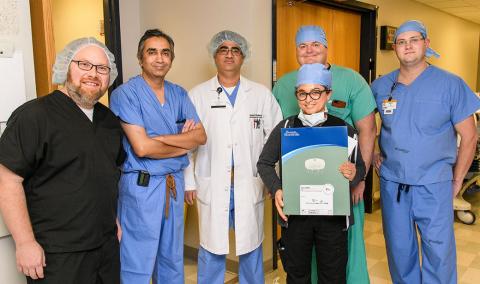
Our vascular, cardiothoracic and cardiology specialists work together to diagnose and treat all types of aortic dissection — from sudden emergencies to chronic cases.
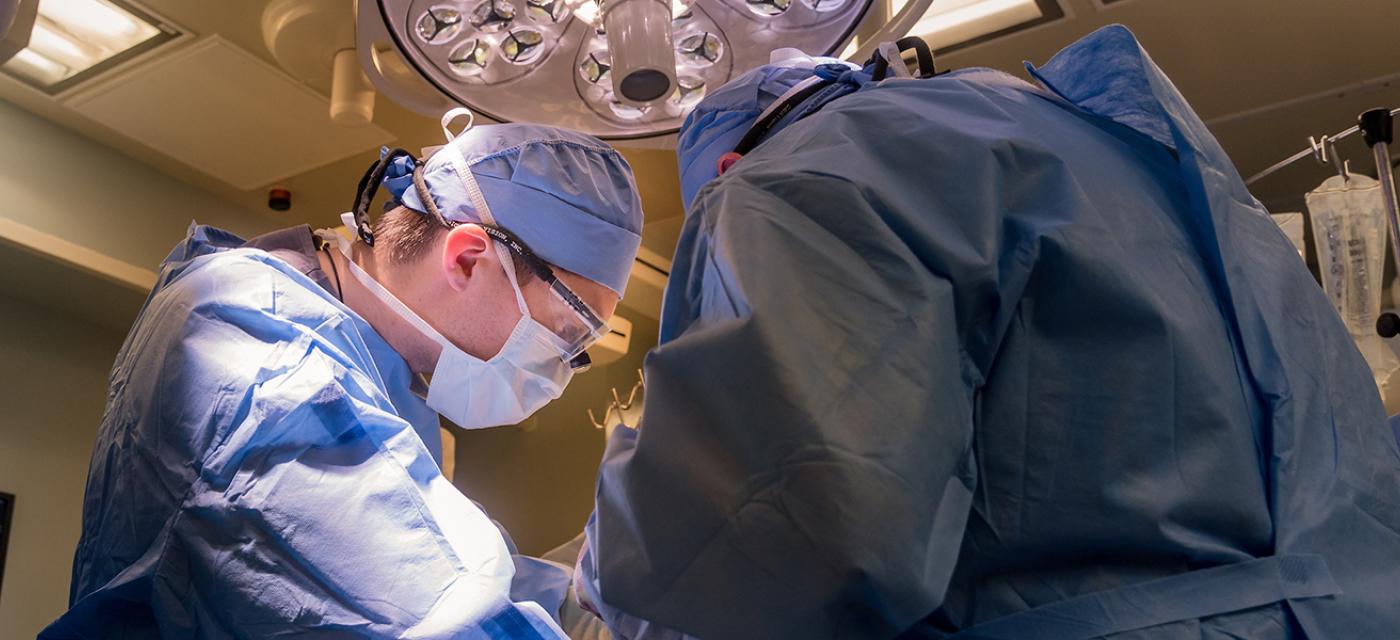
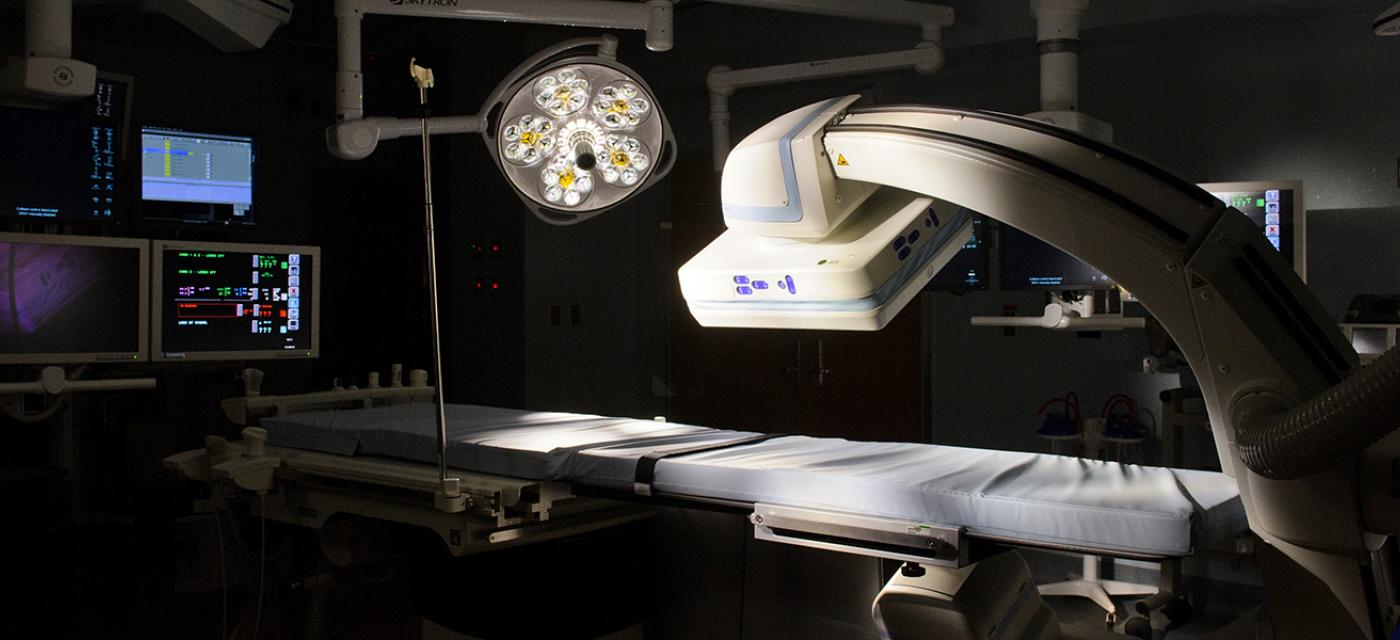
Our hybrid operating rooms allow for minimally invasive repairs with greater speed and precision, even in urgent situations. And, as a regional referral center and national research site, we provide access to national clinical trials and next‑generation endovascular treatments.
Our Approach to Aortic Dissection Care
Aortic dissection is more likely in people with high blood pressure, hardened arteries, a smoking history or certain inherited conditions. In some cases, trauma or infection can also play a role.
At MU Health Care, vascular, cardiothoracic and cardiology specialists work together to diagnose, treat and monitor both emergent and chronic aortic dissections — all in one coordinated program.
Aortic Dissection Symptoms
Aortic dissection symptoms may appear suddenly and can be severe. Call 911 right away if you experience any of the following:
- Fainting, weakness or one‑sided paralysis
- Low blood pressure or loss of pulse in one arm or leg
- Pain that spreads to the neck, jaw or abdomen
- Shortness of breath or trouble breathing
- Sudden, sharp pain in the chest or upper back, often described as tearing or ripping
When to Call Your Doctor
Aortic dissection is a medical emergency. If you have symptoms, don’t wait — call 911 or go to the nearest emergency department.
You may be at higher risk for aortic dissection if you have:
- A connective tissue disorder such as Marfan or Ehlers-Danlos syndrome
- A personal or family history of aortic disease, aneurysm or prior aortic surgery
- Uncontrolled high blood pressure
Types of Aortic Dissection
Aortic dissections are classified based on where the tear occurs along the aorta. Knowing the type helps guide treatment and determine how urgently repair is needed.
- Type A: A tear in the ascending aorta, or the part of the artery closest to the heart. This is a surgical emergency and typically requires immediate open or hybrid repair.
- Type B: A tear in the descending aorta, or the part of the artery farther from the heart. Many people can be treated with medications and close monitoring. If problems develop, such as ongoing pain or reduced blood flow to organs, a minimally invasive repair called TEVAR may be recommended.
How We Diagnose Aortic Dissection
Aortic dissection can progress quickly, and precise diagnosis is critical. Our experts use advanced imaging to confirm the dissection type, assess its extent and guide your treatment plan.
Our vascular surgeons collaborate with cardiology and cardiothoracic teams to ensure coordinated care from your first evaluation through recovery.
To check your aorta and plan your care, we may use:
- Abdominal ultrasound screening: Checks for abdominal aortic aneurysm in at‑risk patients but does not diagnose emergent dissection.
- Cardiac stress testing: Used in select cases to assess overall heart health during pre‑procedure planning or follow‑up.
- CT angiography (CTA): Produces detailed images of the aorta to locate the tear and assess blood flow.
- Echocardiography or cardiac MRI: Detects valve problems, fluid buildup or other heart function issues.