Cardiac amyloidosis is a serious, life-threatening condition that can affect multiple organs in your body, but newer treatments can help slow the disease and improve quality of life.

This condition causes you to develop deposits of abnormal proteins in your heart and other organs. Called amyloid proteins, these deposits can lead to serious symptoms like heart failure, nerve damage, back pain and other issues.

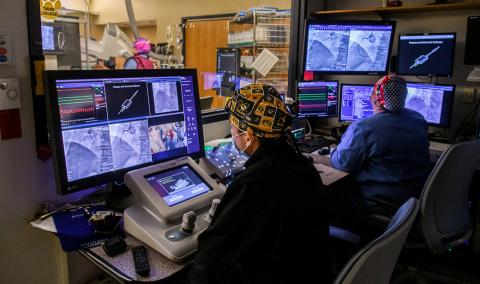
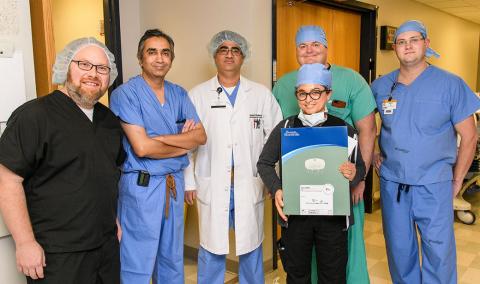
At MU Health Care, our team-based approach brings together experts across heart care, blood disorders, kidney care, neurology and imaging. Together, we focus on slowing the disease, managing symptoms and helping you maintain your quality of life.

Your care team may include:

  • Cardiologists: Specialize in treating all types of cardiac amyloidosis and perform heart biopsies. 
  • Electrophysiologists: Treat heart rhythm issues.
  • Nephrologists: Manage kidney disease related to cardiac amyloidosis.
  • Neurologists: Provide advanced care for nerve damage.
  • Hematologists: Offer treatments for AL amyloidosis.
  • Surgeons: Conduct biopsies of the abdominal wall fat pad.
  • Interventional radiologists: Perform kidney biopsies if needed.
  • Orthopaedic surgeons: Treat carpal tunnel syndrome, back pain and other musculoskeletal issues.
  • Pathologists: Examine your biopsy to make a diagnosis.
  • Radiologists: Evaluate your cardiac MRI and other imaging tests.
  • Heart failure nurse navigators: Coordinate testing and doctor appointments.

Together, we combine our expertise to develop a personalized care plan that helps you live the best life possible.

Cardiac Amyloidosis Symptoms

Symptoms can vary depending on whether amyloid proteins affect your heart, nerves or other organs. 

Common symptoms may include:

  • Shortness of breath
  • Chest pain during exercise or activity
  • Weakness or fatigue
  • Leg swelling
  • Tingling or numbness in the hands and/or feet
  • Dizziness when standing up
  • Back pain

Certain conditions may also be associated with cardiac amyloidosis, such as:

If you have symptoms that concern you, contact your primary care provider or cardiologist for a referral. Our experts can check you for signs of cardiac amyloidosis and confirm a diagnosis.

Second Opinions for Cardiac Amyloidosis

If you have been diagnosed with cardiac amyloidosis and want a second opinion on your treatment, we can help. You can contact our team directly. We provide second opinions for patients all over Missouri.


Types of Cardiac Amyloidosis

We treat all types of cardiac amyloidosis, including the most common forms.

AL Amyloidosis (Light Chain or Primary Amyloidosis)

In AL amyloidosis, plasma cells in your bone marrow make abnormal proteins called light chain proteins that mutate, or change. The proteins can build up in organs like your heart and cause a type of blood cancer. With treatment, AL amyloidosis can be managed over the long term.

Transthyretin Amyloidosis (ATTR)

In ATTR amyloidosis, a protein called transthyretin made by your liver changes and builds up in your heart and other organs. The disease may worsen over time and can lead to death. However, new treatments may extend the lives of some people with this condition.

The two types of ATTR amyloidosis are:

  • Wild type (wtATTR): Occurs in people, usually men, 60 and older.
  • Hereditary type (hATTR): Caused by a genetic mutation and diagnosed with genetic testing.

Because effective treatment depends on a precise diagnosis, our team of experts will collaborate to better understand your condition.

Cardiac Amyloidosis Treatment at MU Health Care

In recent years, new treatments have helped slow the progression of certain types of cardiac amyloidosis. Our team is experienced in using these new treatments to help improve the quality and length of your life.

Your personalized treatment and follow-up plan will depend on factors such as:

  • Your type and stage of cardiac amyloidosis
  • Whether you have heart failure, arrhythmias or other heart and vascular conditions
  • Which other organs are affected
  • Your symptoms, such as weakness and nerve pain
  • Your medical history and overall health
  • Your treatment goals and preferences

Advanced treatment options available at MU Health Care are listed below.

Treatments for AL Amyloidosis

Cardio-oncology experts at MU Health Care can develop a plan that involves heart monitoring and therapies to manage blood cancer. We’ll partner with our skilled hematologists, who may recommend chemotherapy or a possible stem cell transplant to treat your condition.

Treatments for ATTR Amyloidosis

New therapies have transformed treatment for ATTR amyloidosis in recent years. Specifically, new medications are available that can limit the production of ATTR and reduce protein buildup in the heart. Innovative targeted therapies can also treat nerve pain associated with this condition.

We offer all the latest treatments at MU Health Care and have experience managing the potential side effects.

Expert Heart and Vascular Care

As a patient at MU Health Care, you benefit from the region’s most advanced heart and vascular services. Our cardiac amyloidosis team will develop a plan to treat the heart-related effects of your condition, such as:

We’ll work with your local cardiologist on a personalized plan to help you maintain your quality of life. If you’re a candidate for a heart transplant or mechanical heart pump, we’ll help connect you with the right specialists.