Cancer treatments like chemotherapy, radiation, immunotherapy or surgery may have side effects on your heart, known as cardiotoxicity. Our cardio-oncology team helps protect your heart health before, during and after cancer care.

While cancer therapies are vital for curing or managing cancer, they can also damage your heart. Specifically, they may:

At MU Health Care, our cardio-oncology program in Columbia provides specialized heart care and support throughout your cancer treatment journey. Subspecialty teams dedicated to cardio-oncology are only found at leading academic health systems. Because we’re located in central Missouri, you can receive this leading-edge care close to home.

Our Approach to Cardio-Oncology

Our cardio-oncology team specializes in diagnosing and treating heart conditions related to cancer therapy. Whether you have just been diagnosed or have already started treatment, we can provide the expert guidance you need.

What Is a Cardio-Oncologist?

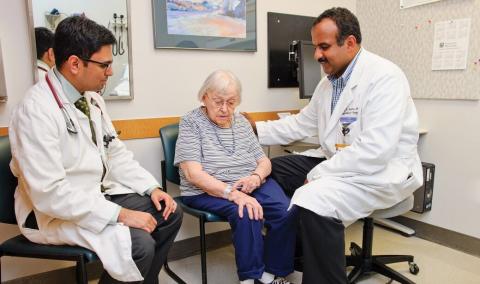
Cardio-oncologists are heart doctors (cardiologists) with additional training in managing heart issues related to cancer treatment. As members of your cancer care team, we can:

  • Determine your risk of developing heart-related side effects (cardiotoxicity) from various cancer therapies
  • Suggest treatments to manage heart disease risk factors like high blood pressure, high cholesterol and obesity
  • Monitor your heart for cardiotoxicity throughout cancer treatment 
  • Treat arrhythmias, blocked arteries, heart failure and valve issues that may develop
  • Provide ongoing follow-up care once your cancer treatment is complete

How to See a Cardio-Oncologist

Your oncologist can refer you to our team. We see patients before, during and even years after cancer treatment. In some cases, the effects of cancer therapies may not appear for up to a decade after treatment.

Other Specialists on the Cardio-Oncology Team

Our cardio-oncology team includes a range of specialists you’ll only find at an academic health system like MU Health Care. Besides cardio-oncologists, your care team may include:

  • Hematologist/oncologists: Oversee your cancer care.
  • Interventional radiologists: Perform biopsies of affected organs to help diagnose your condition.
  • Surgeons: Perform advanced procedures to remove cancerous masses.
  • Radiation oncologists: Manage and adjust radiation treatments when needed.
  • Pathologists: Evaluate heart and other tissue samples.
  • Radiologists: Perform advanced heart imaging.
  • Cardiology and oncology nurse navigators: Provide education and schedule your tests and appointments.

Cardio-Oncology Tests and Treatments

We use advanced testing to monitor your heart. These tools help us catch changes early and guide the safest possible care plan.

Advanced Heart Monitoring During Cancer Care

We offer sophisticated testing to monitor your heart and other organs before, during and after cancer treatment, including:

  • Lab (blood) testing: Checks cholesterol and high blood sugar and identifies possible signs of heart injury.
  • Electrocardiogram (EKG): Assesses your heart rhythm.
  • Echocardiogram: Uses ultrasound to evaluate your heart function. 
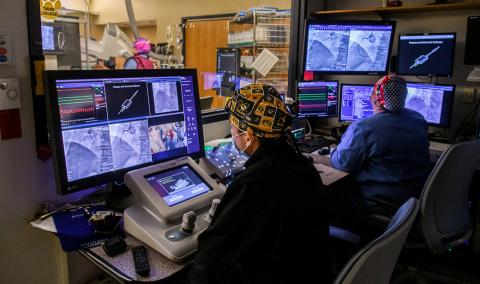
  • Cardiac catheterization: Diagnoses and treats blocked arteries. 
  • Event monitor: Checks for abnormal heart rhythms.
  • Cardiac magnetic resonance imaging (MRI): Assesses your heart function and identifies possible inflammation.
  • Positron emission tomography (PET): Can identify active cancer and where it may have spread.

Support for Patients With Pre-Existing Heart Disease

If you have pre-existing heart disease, we’ll work with your cancer specialists to reduce your risks right from the start. Together, we can design a plan that maximizes your chances of successful cancer treatment while protecting your heart health.

Heart Care and Bone Marrow/Stem Cell Transplants

We care for patients having bone marrow or stem cell transplants for blood cancers like lymphoma, leukemia or multiple myeloma. Our cardio-oncology team can evaluate you to determine whether transplant treatment is appropriate for you. We’ll also monitor you for possible heart complications throughout the transplant process.