Cerebrovascular disorders result from the blood vessels that supply the brain becoming blocked or ruptured, leading to stroke or other serious complications. Our specialists deliver timely, expert care focused on protecting brain health.

When a brain vessel becomes blocked, oxygen can’t reach brain tissue. Or when a rupture occurs, blood can “leak” into the brain tissue and cause pressure to build up in the brain. In either case, damage can happen fast. At MU Health Care, we diagnose and treat all types of strokes, aneurysms and vascular brain conditions with advanced tools and evidence-based care.

We’re also the only nationally accredited Comprehensive Stroke Center in mid-Missouri, available 24/7 for emergencies and complex cases.


Our Approach to Cerebrovascular Care

Cerebrovascular diseases affect the blood vessels in your brain. These conditions can lead to ischemic (blood flow blockage) or hemorrhagic (blood vessel rupture) stroke.

We bring together experts across different fields to provide personalized care for issues like:

  • Stroke
  • Hemorrhage
  • Cerebral aneurysms
  • Arteriovenous malformations (AVMs)
  • Fistulas
  • Carotid and vertebrobasilar occlusive disease
  • Neurovascular trauma

Our team can handle even the most complex cases, including those turned away for treatment at other institutions.

Expert Care from the Moment You Arrive

Whether you’re experiencing sudden symptoms or being evaluated for a known condition, we use coordinated expertise and advanced imaging to understand your cerebrovascular risks.

Many patients first come to us through our emergency department during a stroke or other urgent event. Others come to our outpatient clinic for complex conditions like aneurysms, AVMs or carotid artery disease that need more specialized evaluation and planning.

We offer both nonsurgical and surgical options to restore and improve blood flow, reduce the risk of brain tissue damage and protect brain function. Specifically, we can provide medications and leading-edge minimally invasive and surgical treatments — including endovascular techniques — to support your recovery. Your recommended treatment plan will depend on your exact diagnosis and needs. For nonemergency visits, please bring any prior imaging or medical records so we can personalize your care from the start.

Our Team

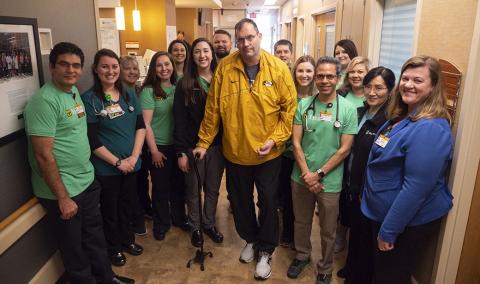
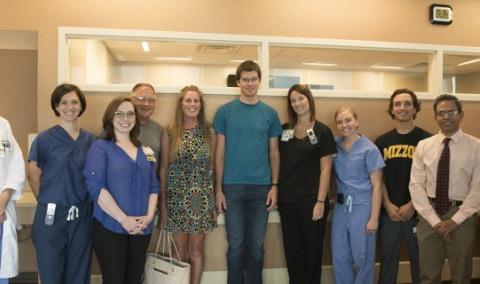
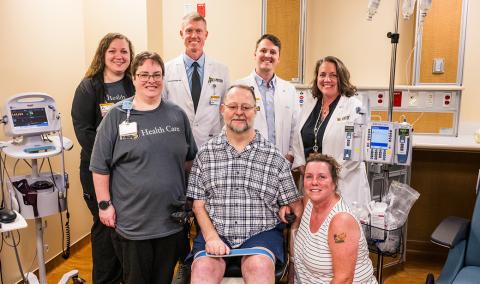
You’ll be cared for by a collaborative team, led by highly experienced vascular neurologists and neurosurgeons, that specializes in cerebrovascular conditions. Your care team may include:

Together, our team brings more than 50 years of experience treating stroke and complex neurovascular conditions.

Our physicians are also trained in the latest medical, endovascular and surgical treatments, including tPA (clot-busting medication), mechanical clot-retrieval, aneurysm coiling, stent placement and neurosurgery such as open, minimally invasive, micro- and radiosurgery.

Cerebrovascular Conditions We Treat

We treat the full spectrum of cerebrovascular disorders, from common strokes to rare vascular malformations.

Conditions we treat include:

  • Arteriovenous malformations (AVMs): A tangle of abnormal blood vessels that disrupt blood flow and oxygen delivery. If ruptured, they can cause hemorrhagic stroke, seizures and brain damage.
  • Brain aneurysms (ruptured and unruptured): A weak spot in an artery wall that can bulge and rupture, leading to a life-threatening form of hemorrhagic stroke called subarachnoid hemorrhage.
  • Carotid artery disease and carotid stenosis: Narrowing of the carotid arteries due to plaque buildup or trauma (aortic dissection), which reduces blood flow and can send blood clots to the brain.
  • Cavernous malformations: Abnormally formed blood vessels that may leak and cause stroke. 
  • Cerebral infarction and transient ischemic attack (TIA): Blocked blood flow to the brain, either causing permanent damage (infarction) or temporary symptoms (TIA) that constitute a “threat of stroke.” 
  • Dural arteriovenous fistulas: An abnormal connection between an artery and vein that disrupts normal blood flow and may lead to stroke.
  • Intracerebral hemorrhage: A form of hemorrhagic stroke that involves direct bleeding into the brain tissue, often caused by chronic, uncontrolled high blood pressure or vascular malformations.
  • Intracranial stenosis: Plaque buildup inside the brain’s arteries that restricts blood flow.
  • Moyamoya disease: A rare, progressive condition where blocked arteries at the base of the brain increase risk for ischemic and hemorrhagic stroke.
  • Subarachnoid hemorrhage: Sudden bleeding in the space between the brain and the surrounding membrane, often from a ruptured cerebral aneurysm.
  • Venous sinus thrombosis: Extensive blood clotting in the brain’s venous sinuses that can block blood flow drainage and increase pressure inside the skull.
  • Vertebrobasilar disease and stenosis: Vertebral or basilar artery narrowing due to plaque buildup or trauma that reduces blood flow and can cause blood clots that travel to the brain.

Symptoms and Warning Signs

Cerebrovascular symptoms often come on suddenly. Call 911 right away if you or someone else experiences the sudden onset of the following symptoms:

  • Unexplained dizziness or loss of balance
  • Headache that is severe, unexplained or unusual
  • Numbness or weakness on one side of the body
  • Slurred speech or trouble speaking or understanding others
  • Vision loss in one or both eyes

Remember the acronym B. E. F.A.S.T. for stroke recognition — Balance (dizziness), Eyes (vision changes), Face (drooping), Arm (weakness), Speech (slurred) and Time (call 9-1-1). Don’t wait to call 911 when symptoms start. A stroke is a medical emergency, and getting care quickly can save your life

Cerebrovascular Tests and Treatments

Accurate diagnosis and timely treatment are essential to protecting brain function.

At MU Health Care, our specialists use advanced imaging to find blood vessel problems, guide treatment decisions and plan the right care for you.

Depending on your needs, these may include:

Diagnostic Tests

  • Cerebral catheterization and angiography: Uses contrast dye and X-ray imaging to provide detailed views of blood vessels in the brain.
  • CT and CT angiography: Quickly captures cross-sectional images of the brain and blood vessels to detect bleeding, blockages or abnormalities.
  • CT perfusion imaging: Measures blood flow to brain tissue to help determine the extent of stroke-related damage and identify potentially salvageable brain tissue.
  • Echocardiography: Uses ultrasound of the chest wall to evaluate heart structure and function. Also identifies potential sources of blood clots that can travel to the brain arteries. 
  • MRI and MR angiography: Produces high-resolution images of the brain and blood vessels without radiation to assess brain tissue and blood flow.
  • Neurovascular ultrasound (extracranial and transcranial): Evaluates blood flow in arteries inside and outside the brain to detect narrowing or blockages.

Pharmacologic and Endovascular Treatments

  • Aneurysm embolization and flow diversion: Minimally invasive catheterization techniques that block blood flow to aneurysms to prevent rupture.
  • Arteriovenous malformation embolization: A catheter is used to block blood flow to portions of a malformation, often to facilitate surgical removal.
  • Carotid artery stenting: Opens narrowed neck arteries through a small catheter inserted in the wrist to reduce stroke risk.
  • Clot-busting medication (tPA) for eligible stroke patients: Dissolves blood clots to restore circulation when given within a critical time window.
  • Neuroendovascular rescue for large-artery ischemic stroke: Specialized devices physically remove clots and open closed brain arteries in order to restore blood flow to “starved” brain tissue.

Surgical Treatments

Many of the procedures we offer are minimally invasive, using small incisions. This approach lowers risk, shortens hospital stays and supports a faster recovery.

We offer:

  • Carotid endarterectomy for blocked neck arteries: Surgically removes plaque buildup to improve blood flow and reduce stroke risk.
  • Craniotomy: Opens the skull to directly treat bleeding, clots or damaged blood vessels. 
  • Microvascular neurosurgery: Personalized surgical options using microsurgical approaches to treat complex cerebrovascular disorders.
  • Stereotactic radiosurgery for select vascular lesions: Minimally invasive techniques that deliver focused radiation to treat abnormal blood vessels without an incision.
  • Surgical repair of vascular malformations or aneurysms: Corrects abnormal or weakened blood vessels to prevent bleeding or rupture.