Babies born with Pierre Robin sequence (PRS) have a smaller jaw than usual. Because a small jaw can affect your newborn’s breathing and feeding, getting expert care is important. At Children’s Hospital, we specialize in treating kids with PRS, from birth through adolescence.

Also known as Pierre Robin syndrome, PRS is a condition associated with certain congenital differences. With advanced surgeries and other support from a team of pediatric specialists, we can help your child with PRS thrive.

Causes and Signs of Pierre Robin Sequence

Your baby may develop PRS because of a genetic mutation, pressure on their jaw during pregnancy or other causes. 

Babies with PRS are born with three main features: 

  • Small lower jaw and chin
  • Tongue that falls back into their throat
  • Blocked airway and esophagus 

These features may be present on their own or with other anomalies in kids with genetic disorders like Treacher Collins syndrome. Some children may have mild facial differences, while others may have severe anomalies. About half of kids with Pierre Robin sequence also have a cleft palate (opening in the roof of the mouth). 

Although PRS is not painful for babies, it does require specialized care. Without treatment, PRS may lead to breathing and feeding difficulties that can affect your baby’s development.

When to Seek Care for PRS

During a prenatal ultrasound, your OB/GYN may see that your baby has a small jaw associated with PRS. Or, your baby may be diagnosed soon after they are born. 

Your OB/GYN, neonatologist (newborn intensive care specialist) or pediatrician can refer you to our pediatric plastic surgery team. Or you can reach out to the plastic surgery nurse directly.

How We Diagnose Pierre Robin Syndrome

Our team has extensive experience diagnosing kids born with a range of facial differences. You’ll start by seeing a pediatric plastic surgeon trained in reconstructive surgery of the head and face. We may then work with other specialists, like pediatric ear, nose and throat specialists (ENTs).

Our coordinator may also schedule tests, such as a computed tomography (CT) scan of your child’s head. We may also refer your baby for genetic testing, which can detect disorders that can cause PRS. If your baby is in the neonatal intensive care unit (NICU), we’ll arrange testing soon after your baby is born.


How We Treat Pierre Robin Sequence

Children with Pierre Robin syndrome require specialty care from the time they are born through their development. Our team can provide short- and long-term support for your child.

Help with Breathing and Feeding Difficulties

Some babies with Pierre Robin sequence have difficulty breathing and need to stay in the NICU for some time. Our NICU team may give your baby oxygen to help keep their airway open. Putting your newborn on their stomach (prone position) can help prevent their tongue from blocking their airway.

Another option is to perform a simple surgery to temporarily attach your baby’s tongue to their lower lip. Called a tongue-lip adhesion, this procedure pulls the tongue forward to open the airway.

If these options do not open your baby’s airway, we may suggest a temporary surgical airway (tracheostomy). Our pediatric ear, nose and throat specialists (ENTs) are skilled in performing this procedure in newborns as well as older kids.

Your baby’s facial differences can also make it harder for them to breastfeed or take a bottle. Some babies may need a temporary feeding tube. If so, we offer a family-focused program to help kids with all types of feeding tubes.

Jaw Surgery

When a baby’s jaw severely affects their breathing or feeding, we may recommend jaw surgery soon after they are born. In other cases, we may wait until the child is older.

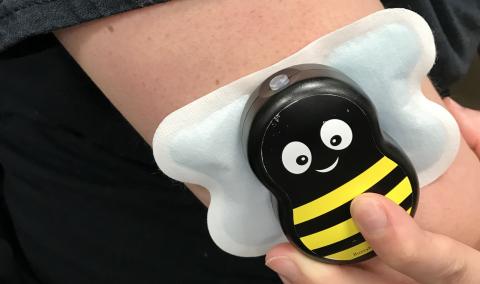
Our team can perform an advanced surgery called mandibular distraction to lengthen the jawbone with a special device. This reconstructive jaw surgery may be recommended within the first few days of life for newborns who remain oxygen dependent. It immediately opens the airway, so your baby can breathe and eat better. 

Jaw surgery may eliminate the need for a tracheostomy or help your baby wean off oxygen and remove the tracheostomy later.

Cleft Palate Surgery and Support

If your child also has a cleft palate, our pediatric plastic surgeons can repair the condition. We typically perform a palate repair when your baby is 10 to 12 months old. Having surgery at this age allows your baby to begin their speech development with a repaired palate. Until your baby’s surgery, our team can provide special nipples and bottles made for babies with cleft palates. These bottles reduce the need for your baby to “suck” during feeding.

Follow-Up Care and Support

After surgery for PRS, your child may have no further issues. You’ll return for regular follow-up visits as your child grows, so our team can monitor their development.

As part of MU Health Care, we can provide a full range of services to support your entire family when needed. Our coordinator can help you schedule appointments with these helpful resources:

  • Speech-language pathologists: Can assist your child if PRS affects their speech development.
  • Geneticists and genetic counselors: Provide guidance for your family on genetic testing for syndromes that can cause PRS.
  • Developmental pediatricians: Manage the care of kids with complex health needs like PRS.
  • Social workers: Can help if your child has speech or learning challenges in the classroom.
  • Neuropsychologists: Can support kids with emotional difficulties caused by facial differences.