Spinal fusion is a surgical procedure that joins two or more vertebrae to create a single, stable segment of bone. It is used to treat a range of pediatric spinal conditions, including scoliosis, kyphosis, cerebral palsy and spinal instability resulting from accidents.

At Children’s Hospital, our pediatric orthopaedic surgeons and neurosurgeons perform spinal fusion using advanced techniques tailored to each child’s condition, with a focus on safety, stability and long-term outcomes.

Is My Child a Candidate for Spinal Fusion?

Your child may not have back pain or other symptoms from curvatures like scoliosis. However, severe curves can get worse without treatment and may affect your child’s lung function.

Your child may be a candidate for spinal fusion if they have a severe spinal curve. This is defined as a Cobb angle of 45 degrees or more.

What Are the Alternatives to Spinal Fusion?

Spinal fusion is just one of the surgical options we offer for scoliosis. We also offer vertebral body tethering, a completely fusionless spine surgery for mild to moderate spinal curves.

Nonsurgical options for scoliosis include bracing and specialized physical therapy called the Schroth Method. These options may be appropriate if your child has mild to moderate scoliosis.

How to See Our Spine Specialists

If you would like to learn about spinal fusion at Children’s Hospital, you can contact us directly. Our pediatric orthopaedic surgeons and pediatric neurosurgeons also offer second opinions on treatment for spinal curvatures. We treat patients from across Missouri and out of state who come to us for spinal care.

Our Approach to Spinal Fusion

Depending on the severity of your child’s spinal curvature, spinal fusion may be the best way to correct the issue and protect their function. We offer some of the latest “growth-friendly” fusion options, including those that use implants or adjustable rods.

Our team of experts also specialize in complex fusions in children and teens. Your child’s care team may include:

We work as a team to help your child return home within days of surgery. We also collaborate on care for kids with complex medical conditions like cerebral palsy who need spinal fusion.


What to Expect With Spinal Fusion

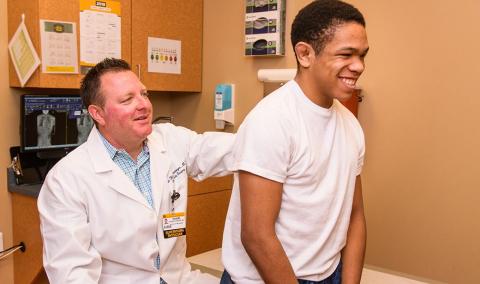
At your child’s first appointment, our team will perform an evaluation that includes imaging like X-rays and a physical exam. We’ll discuss treatment options with you and answer any questions you might have. If a spinal fusion is recommended, we’ll schedule a preoperative appointment to go over your child’s surgery and recovery.

Before Your Child’s Spinal Fusion

Before your child’s surgery, you’ll meet with our nurse practitioner who will help your family prepare and address your concerns. The nurse will explain the anesthesia and pain medication used during spinal fusion surgery. They will also provide details of the procedure and instructions for your child’s recovery.

Your child will also get blood work done and additional imaging tests, such as a computed tomography (CT) scan.

During a Spinal Fusion

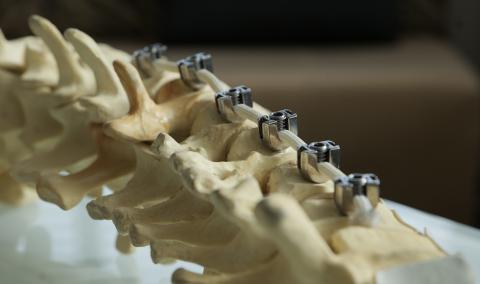
During spinal fusion, the surgeon places rods, screws and hooks in the vertebrae to help straighten a curve. The vertebrae fuse together with the help of a bone graft to correct the curve and prevent it from progressing.

Most spinal fusion procedures take four to eight hours, but surgeries on larger curves may take longer.

Recovery After Spinal Fusion

After surgery, we’ll move your child to the pediatric floor and follow the Team InteGrated Enhanced Recovery (TIGER) protocol. TIGER can shorten your child’s hospital stay and recovery time, allowing them to return to their favorite activities more quickly.

We set daily goals for pain control and mobility to help reduce complications after spinal fusion. Your child may be able to go home after two to three nights in the hospital.
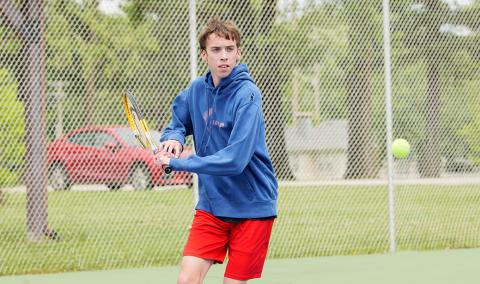
After about 10 days, your child’s wound will heal. Within two weeks, your child may be able to stop taking pain medication. It will take a few months for their muscles to heal and their energy to return to their usual level.

For six months after surgery, your child should avoid bending, twisting and lifting. After six to 12 months, your child’s bones will heal, and they may be able to resume their regular activities.

Your family will return for regular follow-up visits to monitor your child’s recovery and curvature correction. If needed, we can help arrange physical therapy to help keep the spine in proper alignment during your child’s recovery.